Wool vs Jute Carpet India: Which Material is Better for Your Home?
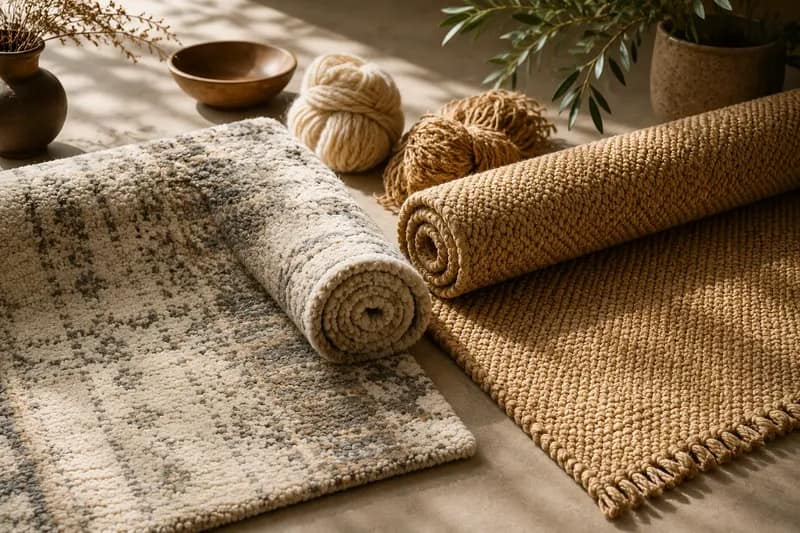
Wool vs jute carpet is one of the most common material debates among Indian buyers shopping for natural fibre floor coverings. Both are genuinely natural, both have strong sustainability credentials, and both are produced by artisan traditions in India — but they have very different physical properties, cleaning requirements, price points, and ideal use cases. This guide gives you an honest, complete comparison so you can choose with confidence.
At Rug Store, we source both wool and jute carpets directly from Bhadohi, Uttar Pradesh — India's carpet manufacturing capital — giving us direct insight into how each material performs across Indian homes from Delhi to Chennai.
Wool and Jute: A Material Overview
What is Wool Carpet?
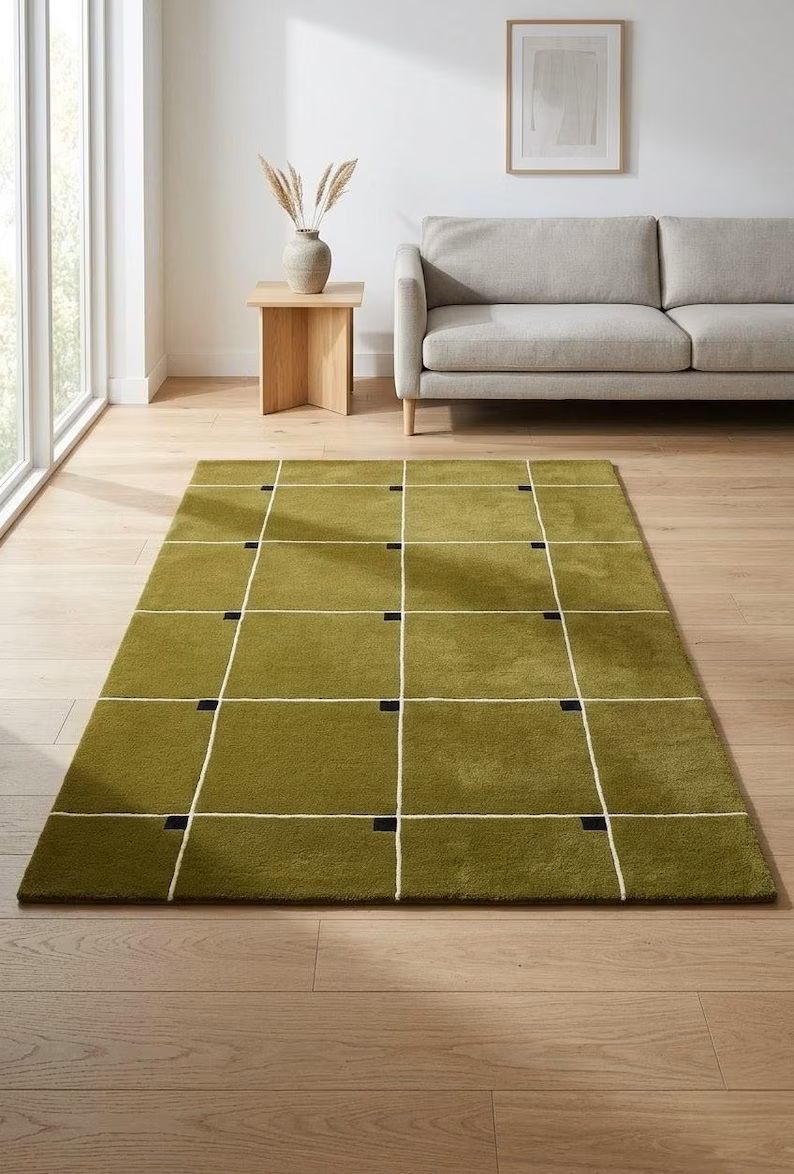
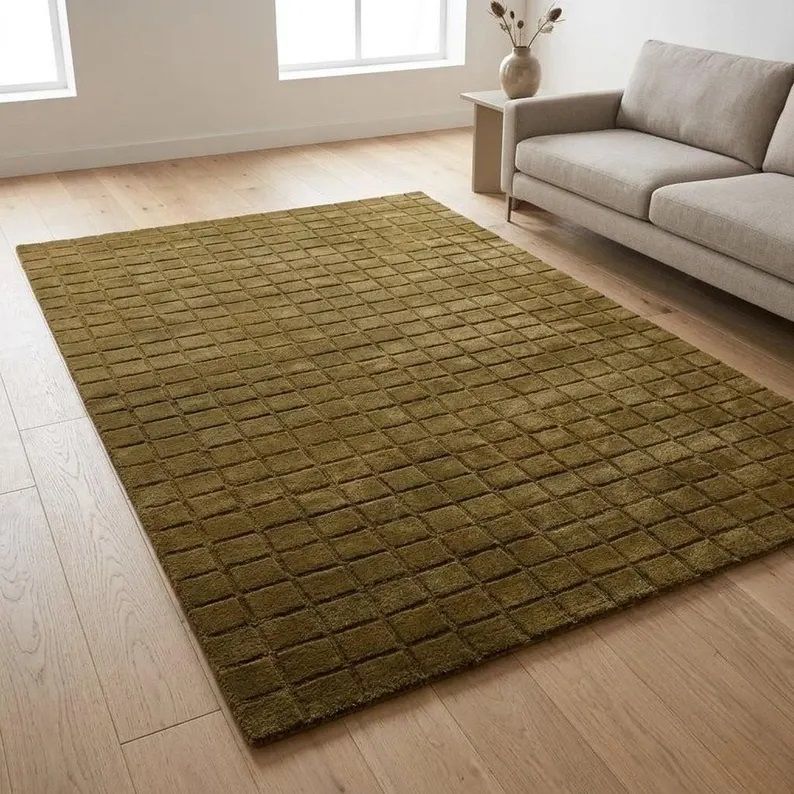
Wool carpet pile is made from the sheared fleece of sheep, processed and spun into yarn before being hand tufted or hand knotted into the carpet structure. Wool is a protein fibre with natural crimp that gives it resilience — a wool pile compresses under foot traffic but bounces back, maintaining pile height over years of use. Wool also contains natural lanolin, which provides inherent soil and stain resistance.
Our wool hand tufted carpets are made in Bhadohi using New Zealand and Indian wool yarn, hand tufted by skilled artisans. Browse the full range at rugstore.in/online-carpet-store/rugs-carpets/hand-tufted-rugs/.
What is Jute Carpet?
Jute is a bast fibre extracted from the stem of the jute plant — a crop cultivated extensively in West Bengal, Bihar, and Bangladesh. Jute fibres are long, strong, and naturally golden-brown in colour. In carpet production, jute is used as both a primary pile material (in flat-weave and braided constructions) and as a backing material for pile carpets.
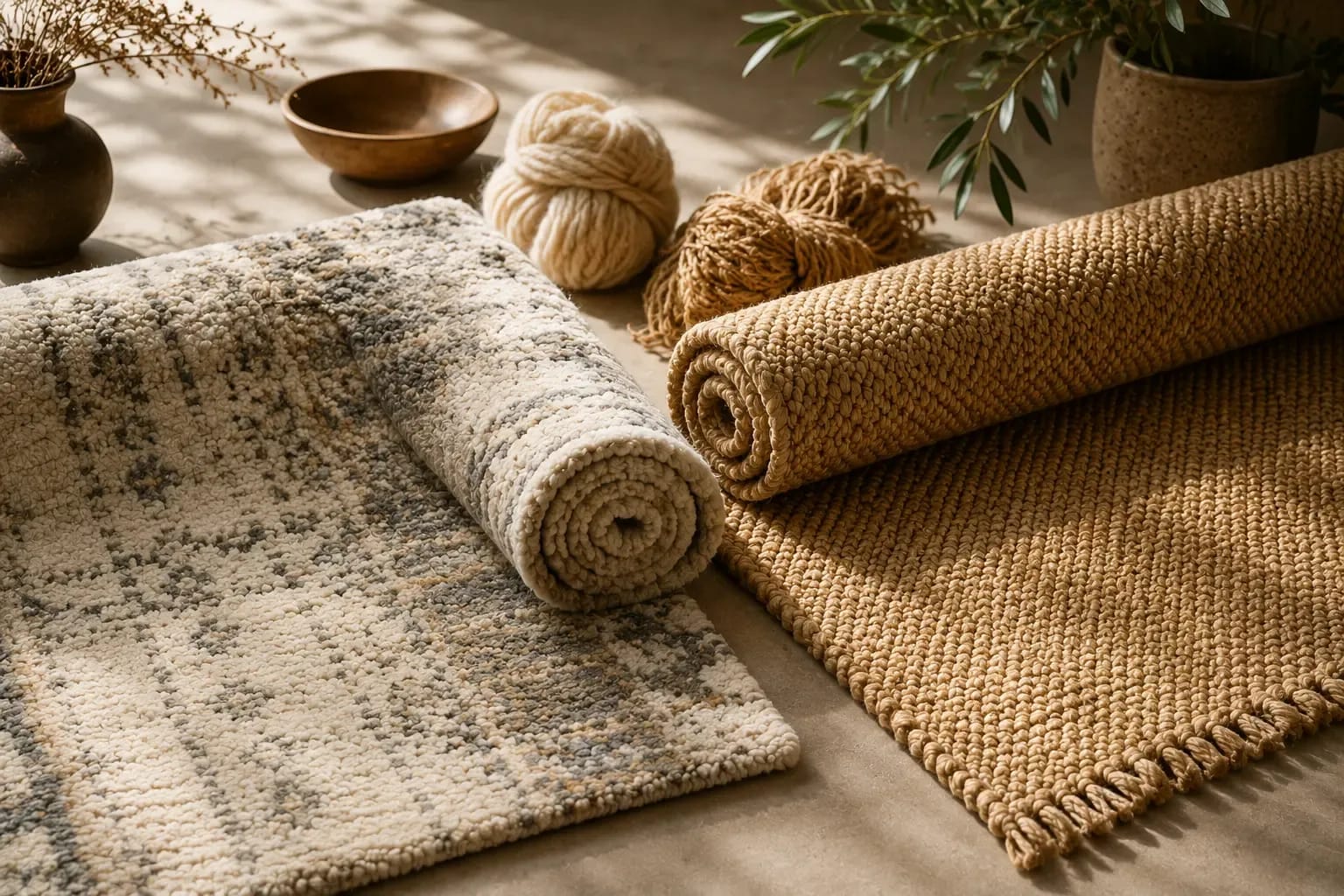
Jute carpets have a distinctive earthy texture and warm natural tone that has made them highly fashionable in the contemporary Indian interior market. Our jute rug collection at rugstore.in/online-carpet-store/rugs-carpets/jute-rugs/ covers flat-weave, braided, and combination constructions.
Side-by-Side Comparison: Wool vs Jute
- Fibre origin | Wool: Animal protein (sheep fleece) | Jute: Plant bast fibre (jute stem)
- Natural texture | Wool: Soft, resilient, warm to touch | Jute: Firm, slightly rough, earthy texture
- Durability | Wool: Excellent — 10–20 year lifespan with care | Jute: Moderate — 5–10 years with care
- Moisture resistance | Wool: Good — absorbs moisture without damage up to 30% of weight | Jute: Poor — absorbs moisture readily; degrades in persistently damp conditions
- Cleaning ease | Wool: Moderate — spot clean; professional clean annually | Jute: Difficult — no water cleaning; vacuum and dry methods only
- Summer suitability | Wool: Moderate — slightly warm underfoot in very hot weather | Jute: Excellent — cool, breathable texture perfect for summer
- Winter suitability | Wool: Excellent — natural insulator; warm underfoot | Jute: Fair — provides floor insulation but less warming than wool
- Stain resistance | Wool: Good — lanolin provides natural resistance | Jute: Poor — absorbs stains deeply; very difficult to remove
- Price range | Wool: Higher price point reflecting superior durability and comfort | Jute: More affordable; one of the best-value natural fibre options available
- Eco-credentials | Wool: Renewable, biodegradable, low-impact if naturally dyed | Jute: Highly sustainable — one of the fastest-growing and most renewable crops
- Best rooms | Wool: Living room, bedroom, dining room, office | Jute: Living room, study, entryway, low-humidity bedrooms
Wool Carpet: In-Depth
Wool is the preferred material for premium hand tufted and hand knotted carpets in Bhadohi for good reason. Its natural protein structure gives it properties that synthetic alternatives struggle to replicate: the crimp of wool fibres creates millions of tiny air pockets that insulate against both heat and cold, making wool carpets genuinely warm in Delhi winters and surprisingly cool in Bengaluru's moderate climate.
The lanolin content in wool acts as a natural repellent for water-based spills — water beads on the surface rather than immediately soaking in, giving you crucial response time to blot and absorb a spill before it becomes a stain. This is a significant practical advantage in Indian family homes where dal, chai, and juice spills are daily realities.
Where Wool Performs Best in Indian Homes
Wool carpets excel in living rooms, master bedrooms, and formal dining areas — anywhere you want premium tactile quality and long-term performance. In North Indian cities (Delhi, Agra, Lucknow, Chandigarh) where winters are cold, wool carpets provide meaningful thermal comfort in the cold months from November through February.
Wool handles moderate foot traffic in living and dining rooms well. For very high-traffic commercial spaces or entry zones, consider a flat-weave wool dhurrie variant rather than a deep pile hand tufted piece.
Jute Carpet: In-Depth
Jute carpets have climbed from utilitarian backing material to a genuine design statement in Indian homes over the past five years. The appeal is both aesthetic and values-driven: jute's warm natural golden-brown tone pairs beautifully with the earthy organic interior palette that is dominating 2026 Indian design, and its sustainability story — fast-growing, low-input crop from East India — resonates with conscious consumers.
However, jute has genuine limitations that buyers must understand before purchasing. Jute fibres are hygroscopic — they absorb atmospheric moisture readily. In coastal cities like Mumbai, Chennai, and Kochi where humidity regularly exceeds 75–80%, jute carpets can develop mildew, odour, and structural degradation within months if not properly maintained. Jute is fundamentally a dry-climate carpet material.
Where Jute Performs Best in Indian Homes
Jute carpets perform best in dry-climate Indian cities: Delhi, Chandigarh, Jaipur, Ahmedabad, and the Deccan plateau cities (Bengaluru, Pune, Hyderabad) where average humidity is lower. In these cities, a flat-weave jute rug in the living room, study, or entry hallway will look beautiful and last well for 7–10 years with regular vacuuming.
Avoid jute in bathrooms, kitchens, and ground-floor rooms prone to dampness. In high-humidity coastal cities, treat jute carpets with a moisture-sealing spray and use them in air-conditioned rooms only.
Indian Climate Suitability by City
- Delhi / NCR: Both wool and jute work well. Wool is superior in winter (Nov-Feb); jute excels in the brief pleasant spring and autumn months
- Mumbai: Wool is the safer choice year-round given Mumbai's persistent high humidity. Jute requires careful maintenance and AC room placement
- Bengaluru: Both work well — Bengaluru's moderate climate suits jute beautifully in the dry season
- Chennai: Wool in air-conditioned rooms; avoid jute in Chennai's heat and humidity combination
- Hyderabad: Both work — Hyderabad's moderate humidity makes it suitable for jute in well-ventilated spaces
- Kolkata: Wool recommended — Kolkata's high monsoon humidity (May-September) is very hard on jute carpets
Price Comparison
Jute carpets in India are significantly more affordable than equivalent wool pieces. Both are genuinely good value for natural fibre floor coverings — see our jute rugs and hand-tufted rugs collections for current pricing.
The price premium for wool reflects its superior durability, comfort, stain resistance, and thermal properties. When you calculate cost per year of use, a quality wool carpet lasting 15 years compares very favourably to a jute carpet lasting 8 years — the practical difference is smaller than the headline price suggests.
Frequently Asked Questions
Is wool or jute better for a living room carpet in India?
For a primary living room carpet used daily in an Indian home, wool is the better choice for long-term performance — it handles foot traffic, spills, and varied weather conditions far better than jute. Jute is an excellent choice if you prefer the natural aesthetic and live in a dry-climate city with moderate humidity, but it requires more careful maintenance.
Can jute carpets get wet?
Jute carpets should not get wet. Water exposure causes jute fibres to swell, discolour, and weaken — and persistent moisture causes mildew and an earthy odour that is very difficult to remove. Spot-clean jute with a dry cloth only; for deeper cleaning, use a professional dry-cleaning service. Never steam clean or wet shampoo a jute carpet.
Which is more eco-friendly — wool or jute?
Both are genuinely natural and biodegradable. Jute is considered marginally more sustainable because it grows rapidly (harvested in 4–6 months), requires minimal irrigation and pesticides, and sequesters carbon actively during growth. Wool requires land, water, and animal husbandry. However, both are vastly more eco-friendly than polypropylene or polyester synthetic carpets.
Do jute carpets shed?
Jute carpets do not shed pile fibres the way wool carpets do in the break-in period, but they do shed small jute fibre fragments over time as the bast fibres abrade. This is a natural and unavoidable characteristic of the material. Regular vacuuming manages shedding effectively. Do not use a beater-bar attachment on jute — suction only.
Which is softer — wool or jute?
Wool is considerably softer than jute. Wool pile has a fine, springy texture that is genuinely pleasant to walk on barefoot. Jute has a firmer, slightly rough texture that some buyers find rustic and grounding — it is not uncomfortable, but it lacks the luxury softness of wool. If underfoot comfort is your priority, choose wool. If you prefer a more textured, tactile feel, jute delivers that character.
-800x451.webp&w=1920&q=72)