
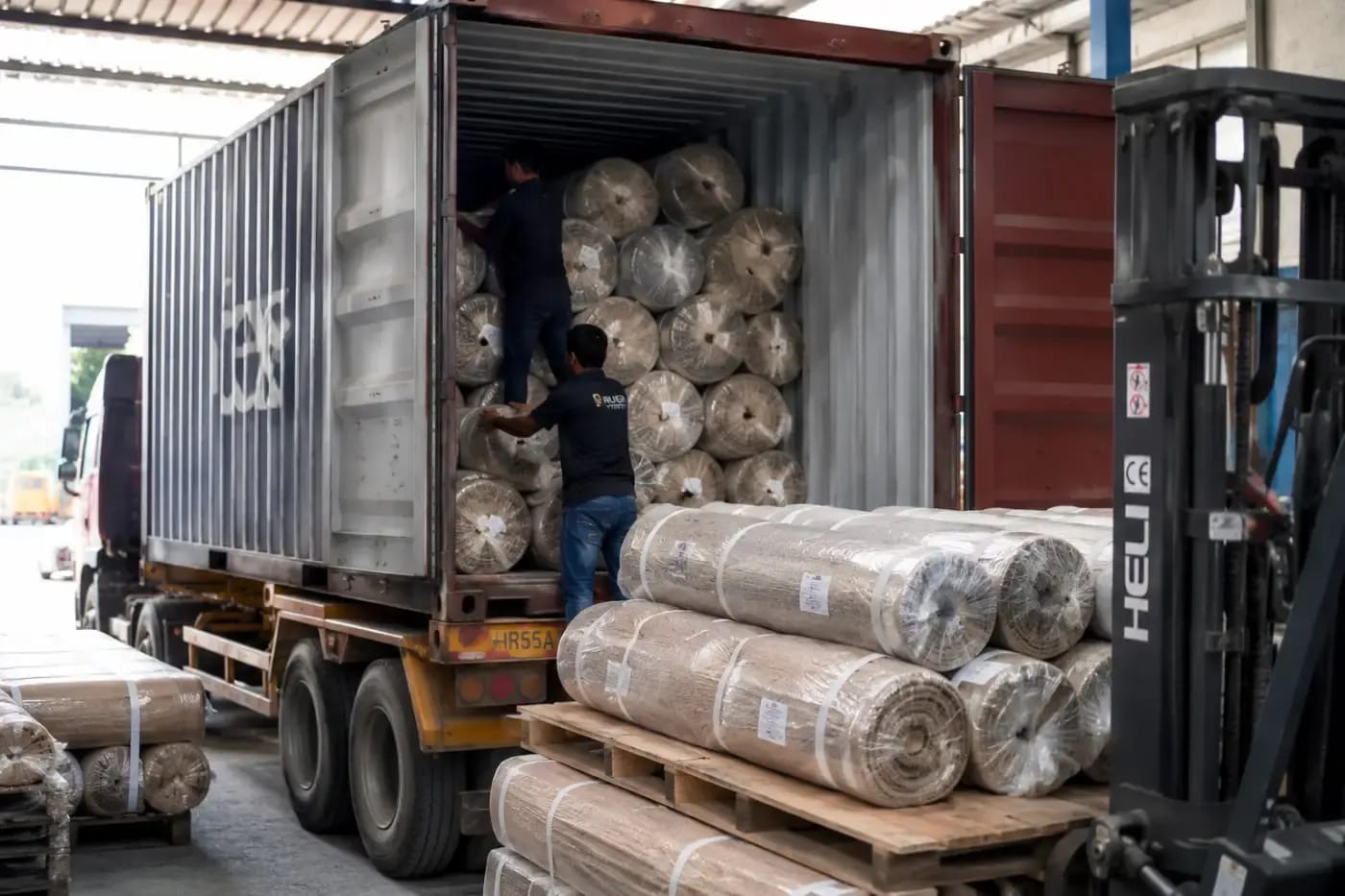
How to Start a Rug Import Business: Step-by-Step Guide (2026)

The global rug and carpet market is worth over $45 billion — and a growing share flows through importers who source handmade rugs directly from India and sell them to retailers, interior designers, and online customers worldwide.
Starting a rug import business gives you access to high-margin products, a loyal buyer base, and a supply chain that has been operating for decades. This guide covers everything you need — from choosing your product niche to clearing customs and making your first sale.
Why the Rug Import Business Works
Rugs are a high-margin, repeat-purchase product. A handmade rug sourced at wholesale from an Indian manufacturer can retail for 3–5x the landed cost in markets like the USA, UK, and UAE. Interior designers, boutique retailers, and online stores consistently need fresh inventory, and rugs lend themselves to strong storytelling — origin, craftsmanship, and material all justify premium pricing.
India accounts for over 40% of global handmade carpet exports, making it the world's largest rug exporter. Bhadohi, Jaipur, Panipat, and Mirzapur are the main manufacturing hubs, each with different specialisations — from hand-knotted wool carpets to lightweight cotton dhurries and flatweaves.
The opportunity is real, the supply chain is well established, and demand in western markets continues to grow year on year.
Step 1: Choose Your Niche and Rug Type
Before you contact a single supplier, decide what you're selling and who you're selling it to. Your niche determines your supplier, your minimum order quantities, and your pricing strategy.
Common rug types for import:
- Hand-knotted rugs — highest quality, longest lead times, strongest margins
- Hand-tufted rugs — mid-range quality, faster production, popular with retailers
- Machine-made rugs — high volume, lower margins, easier logistics
- Flatweave and kilim rugs — lightweight, easy to ship, strong demand in western interiors
- Natural fibre rugs (jute, cotton, sisal) — growing eco-conscious buyer base
Questions to answer before proceeding:
- Are you selling B2B (retailers, interior designers) or B2C (direct to end customers)?
- What price point are you targeting — budget, mid-range, or luxury?
- Which markets are you selling into — USA, UK, UAE, Australia?
Your answers shape every supplier conversation and every pricing calculation. Don't skip this step.
Step 2: Understand Import Regulations and Costs
Every country has different rules around rug imports. Before you place an order, understand three things: HS codes, import duty, and documentation.
HS Codes for Rugs and Carpets
Rugs fall under HS Chapter 57. The specific code depends on construction:
- Hand-knotted rugs: HS 5701
- Tufted rugs: HS 5703
- Woven flatweave rugs: HS 5702
The correct code determines your duty rate. Misclassification at customs can result in reclassification and a higher duty bill.
Import Duty Rates by Market
- USA: 3–5% for most Indian rugs; some categories qualify for GSP exemptions
- UK: 0–12% depending on material and construction
- UAE: Standard 5% GCC tariff
- Australia: Generally 0–5%
Always verify current rates with a licensed customs broker before committing to a supplier price.
Key Import Documents
- Commercial Invoice
- Packing List
- Bill of Lading or Airway Bill
- Certificate of Origin
- Fumigation Certificate (required for some natural fibre rugs in certain markets)
A reliable supplier prepares the export-side documents. Your customs broker handles clearance at destination.
Step 3: Find and Vet a Reliable Rug Supplier
This is the decision that defines whether your rug import business succeeds or fails. A bad supplier means missed deadlines, inconsistent quality, and cash locked in unsaleable stock.
The main rug manufacturing hubs in India:
- Bhadohi, UP — the largest handmade carpet weaving centre in Asia; hand-knotted and tufted specialisation
- Jaipur, Rajasthan — hand-block printed and flatweave rugs; strong demand in European and US markets
- Panipat, Haryana — recycled fabric rugs and cotton dhurries; high-volume export capacity
- Mirzapur, UP — affordable hand-tufted and woven rugs with wide variety
Where to find suppliers:
- India Carpet Expo (the leading B2B rug trade fair)
- IndiaMART and TradeIndia directories
- Working directly with a verified Indian exporter who already ships to your market
What to verify before placing your first order:
- Export licence and GST registration
- Physical samples — always request samples before a bulk order
- Production capacity and realistic lead times
- References from other international buyers
- Payment terms — T/T (bank transfer) is standard; avoid 100% upfront without escrow
Step 4: Calculate Your Landed Cost
The landed cost is what it actually costs to get one rug to your warehouse — not just the ex-factory price. This number determines your real margins.
Landed cost formula:
Landed Cost = Product Cost + Freight + Import Duty + Customs Clearance + Insurance
Example for a UK importer:
- Product cost: £48 per rug
- Sea freight LCL: £7 per rug
- Import duty (10%): £4.80
- Customs clearance: £1.50
- Insurance: £0.50
- Total landed cost: £61.80
If that rug retails at £149, your gross margin is approximately 58% — healthy for a product-based import business.
Run this calculation for every product range before agreeing to a supplier price. A rug that looks cheap ex-factory can become unprofitable once all costs stack up.
Step 5: Sort Out Shipping and Freight
Rugs are bulky but not fragile, making them relatively uncomplicated to ship.
Sea freight is the standard for bulk orders. When starting out, LCL (less than container load) lets you share container space and pay only for your volume. FCL (full container) makes sense once your orders grow. Lead time from India: 3–6 weeks to most major ports.
Air freight is fast (5–10 days) but expensive. Use it for samples or urgent top-up orders — not for regular shipments.
Work with a freight forwarder experienced in textile shipments. They handle booking, export coordination, and handover to your customs broker at destination.
Step 6: Register Your Business and Handle Compliance
Get your business structure right before your first shipment lands.
In most countries, a specific rug import licence is not required. You need a registered business entity, an import registration or EORI number (required in the UK and EU), and VAT or GST registration once you pass the relevant threshold.
On labelling: the USA requires country-of-origin labelling on imported textiles. The UK and EU have similar requirements. Some markets require fibre content labels on consumer products. A customs broker or trade solicitor can confirm exactly what applies to your product and market combination.
Step 7: Build Your Sales Channel and Start Selling
You have your rugs. Now sell them.
The highest-margin long-term channel is your own website — full brand control, no platform fees. But it takes 6–12 months to build meaningful traffic. Most importers start with a mix:
- Your own e-commerce store — highest long-term margin, full control
- Amazon, eBay, or Etsy — fast to launch, competitive margins, good for testing demand
- B2B: sell to retailers and interior designers — higher volumes, repeat orders, relationship-driven
- Trade shows and exhibitions — the most direct route to wholesale buyers
What works specifically for rug importers:
- Origin storytelling — handmade in India, from artisan weavers
- Trade pricing for interior designers, who are repeat high-value buyers
- Customisation — many Indian exporters offer custom sizes, colours, and patterns at MOQ
Start small, validate your market, and scale from there. Your first order does not need to be a full container.
Ready to Source Rugs Without the Sourcing Headache?
Rugstore's Trade Programme connects verified importers directly with Indian rug exporters. Trade pricing, flexible MOQs, and export documentation support — built for importers who are serious about the business.
Frequently Asked Questions
From Our Store
Rugs You Might Like
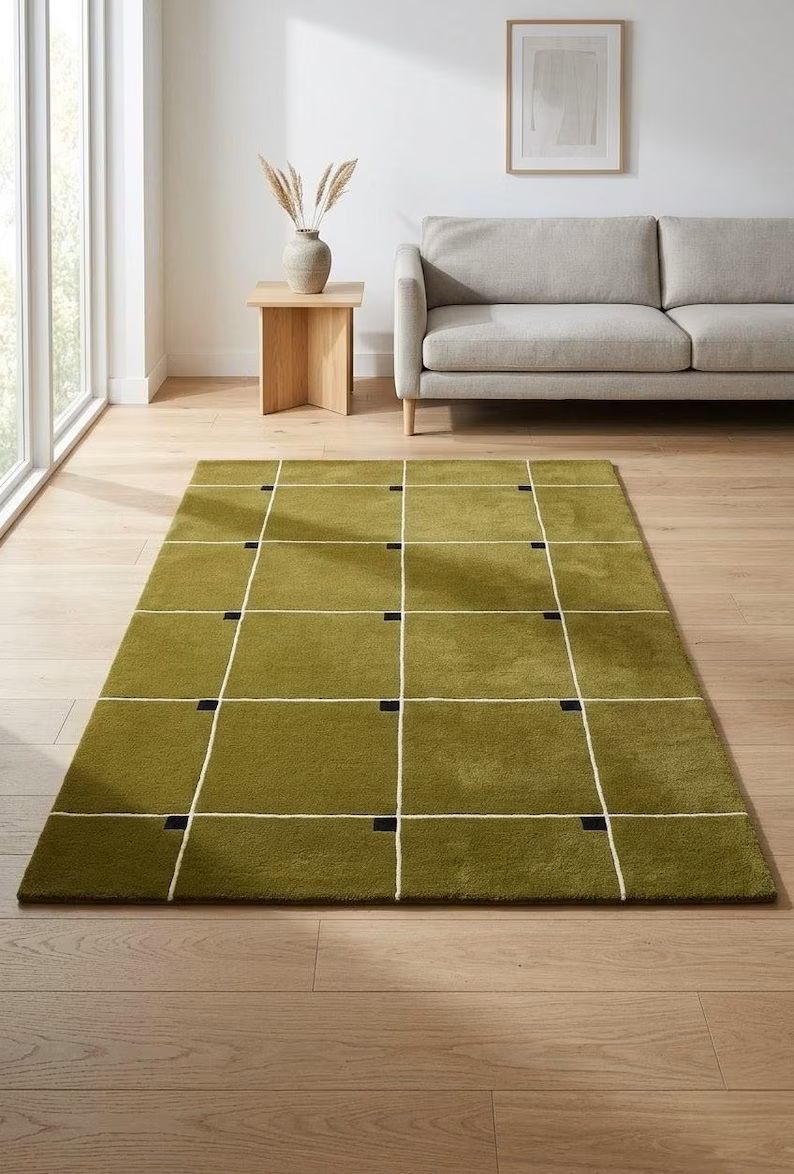
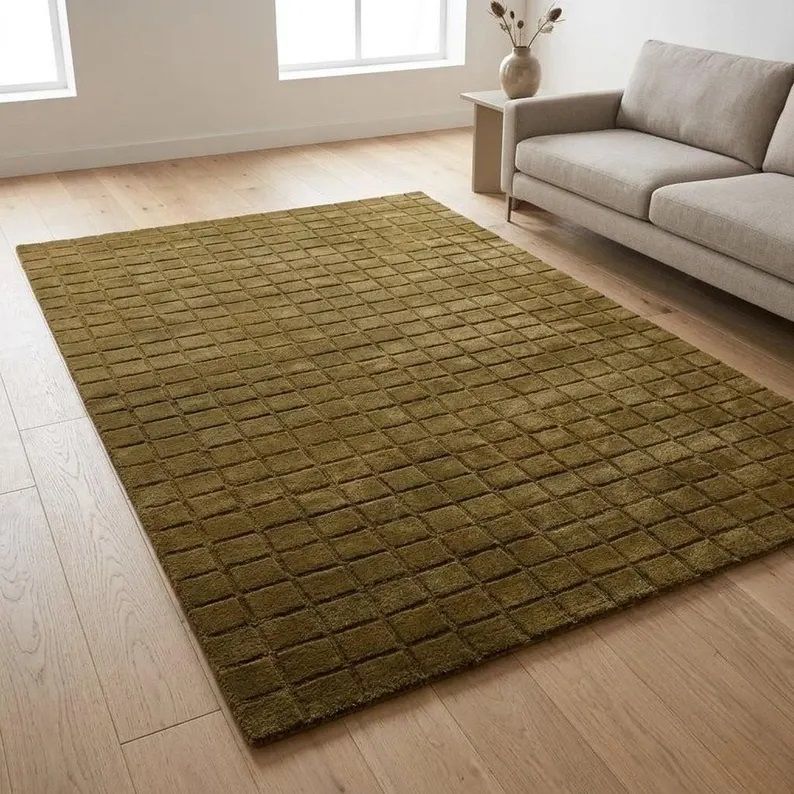
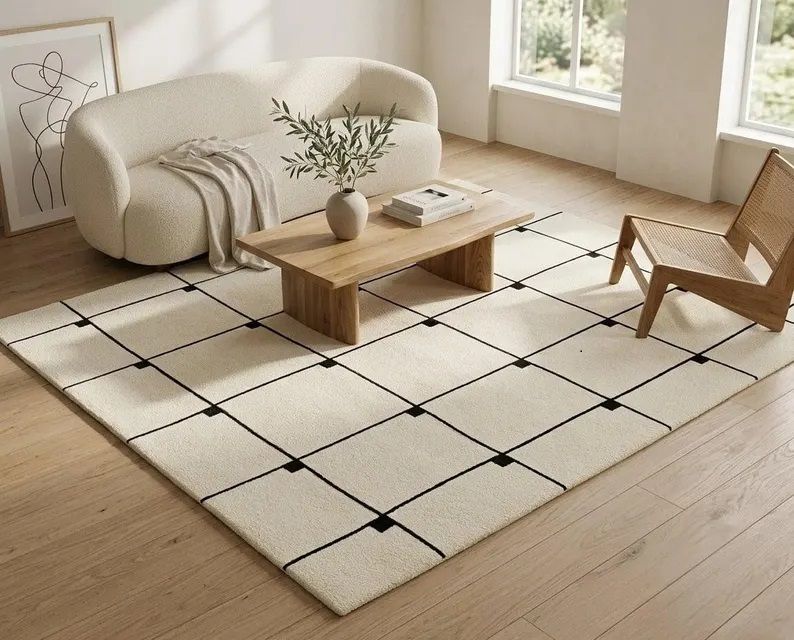
Explore
Find Your Perfect Rug
Handcrafted rugs from verified Indian artisans and sellers — traditional weaves, modern designs, and everything in between. Delivered to your door.
Browse the Collection-800x451.webp&w=1920&q=72)

