Silk Carpet vs Wool Carpet — Which Is Right for Your Indian Home?
By Akshata
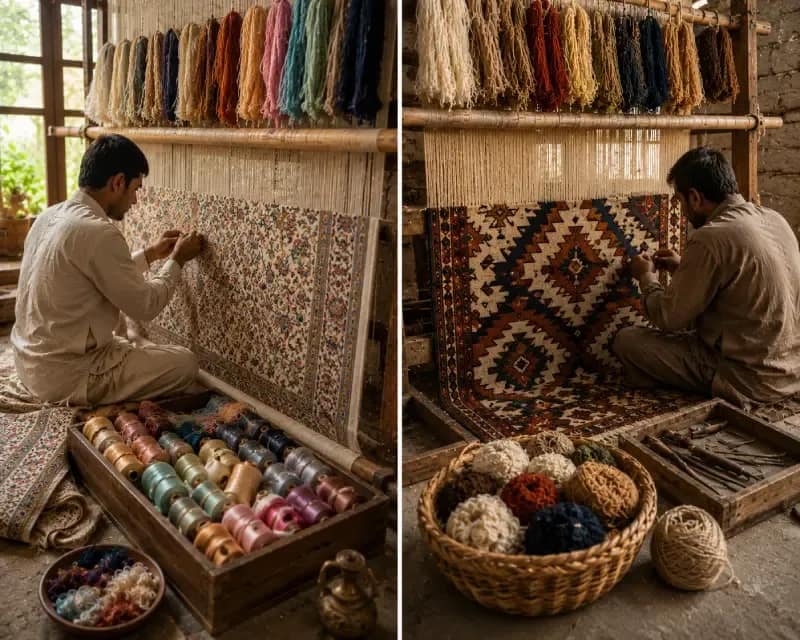
Rugs at Factory PriceShop All Rugs.
The silk carpet vs wool carpet India debate is one of the most common questions we receive at Rug Store. Both are premium materials, both are available handmade from Bhadohi artisans, and both look spectacular in Indian homes. But they are fundamentally different in properties, care requirements, durability, and ideal use cases. This complete guide will help you decide which is right for your specific room, lifestyle, and budget.
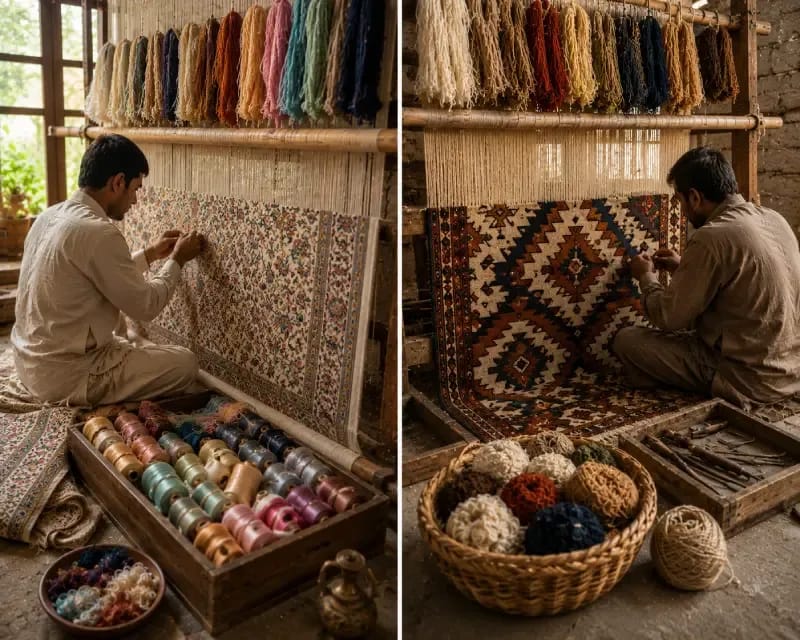
We manufacture both silk-blend and wool hand-tufted carpets at our Bhadohi, Uttar Pradesh workshop. Both production lines use artisan-level skill — but the materials behave very differently, and the choice matters enormously for long-term satisfaction.
When Indian retailers and manufacturers say "silk carpet," they almost always mean one of three things: pure silk, viscose (art silk / artificial silk), or bamboo silk. Understanding the distinction is essential before you spend significant money.
True pure silk is derived from the cocoon of the Bombyx mori silkworm. Pure silk pile has an incomparable natural lustre — a depth of sheen that no synthetic material fully replicates. It is extraordinarily soft, incredibly fine-textured, and has a cool-to-the-touch quality.
Pure silk carpets are also extremely expensive, delicate, and almost impossible to clean at home. They are best understood as art objects rather than functional floor coverings — placed in low-traffic formal rooms or under protective furniture. Kashmiri pure silk carpets are among India's most valuable craft objects.
Viscose is derived from natural cellulose — typically wood pulp or bamboo. It mimics the visual properties of silk — the sheen, the soft hand — at a fraction of the cost. A good viscose hand-tufted carpet is mid-range in price, making it far more accessible than pure silk. Viscose looks luxurious, photographs beautifully, and genuinely feels silky to the touch.
The trade-off: viscose is moisture-sensitive. Water causes viscose fibres to distort and can leave permanent watermarks. Viscose carpets must be dry-cleaned, not wet-washed. In Indian monsoon conditions, this is a meaningful limitation.
Bamboo silk is viscose derived specifically from bamboo cellulose. It has slightly better durability than standard viscose and an environmental credential (bamboo is rapidly renewable). The visual properties are similar to standard viscose — rich sheen, soft pile. Bamboo silk hand-tufted carpets occupy a middle ground between standard viscose and pure silk in quality and price.
Wool is the most widely used pile material in Indian hand-tufted carpets. New Zealand wool (long-staple, fine, bright white) and Indian wool are both used, often in combination. Wool is the benchmark material that all carpet buyers should understand before evaluating other options.
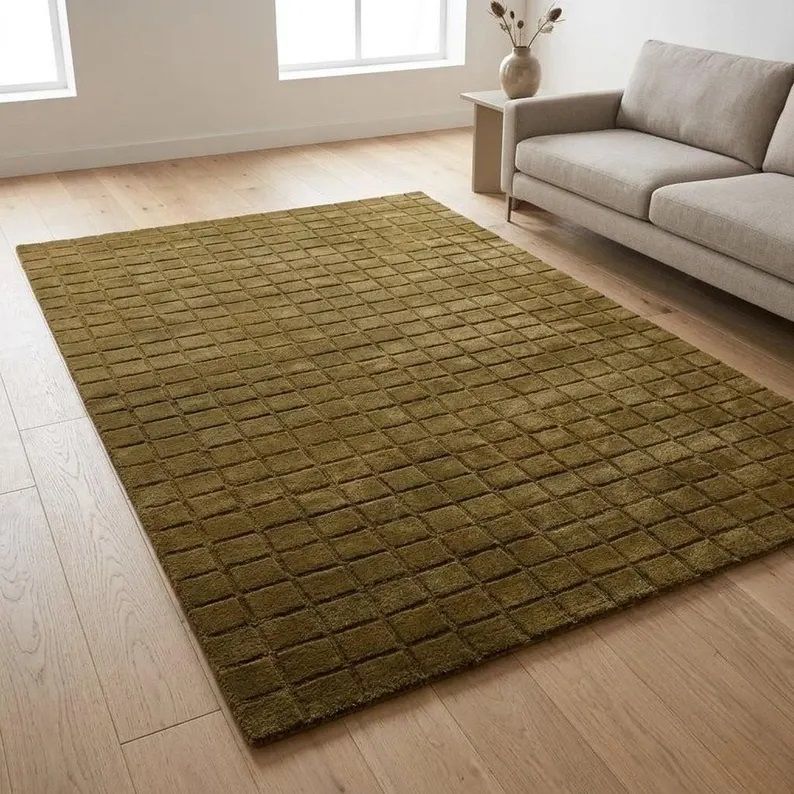
The carpet-weaving traditions of Bhadohi, Kashmir, and Persia are built on wool — and with good reason. Wool fibre has a natural crimp that gives the pile its spring and resilience. The surface scales of wool fibres repel surface soiling while allowing deep-cleaning. Wool is naturally flame-resistant to 570°C before combustion — a genuine safety advantage over synthetic materials.
Wool also has natural moisture management: it absorbs up to 30% of its weight in moisture before feeling damp, then slowly releases it — moderating indoor humidity. This is a meaningful advantage in Indian homes during monsoon.
A quality wool hand-tufted carpet used daily in a normal-traffic living room can last 15–20 years or more. The pile gradually develops a patina — it becomes slightly more compact and lustrous with age, not degraded. Many Indian families treat their wool carpets as long-term investments.
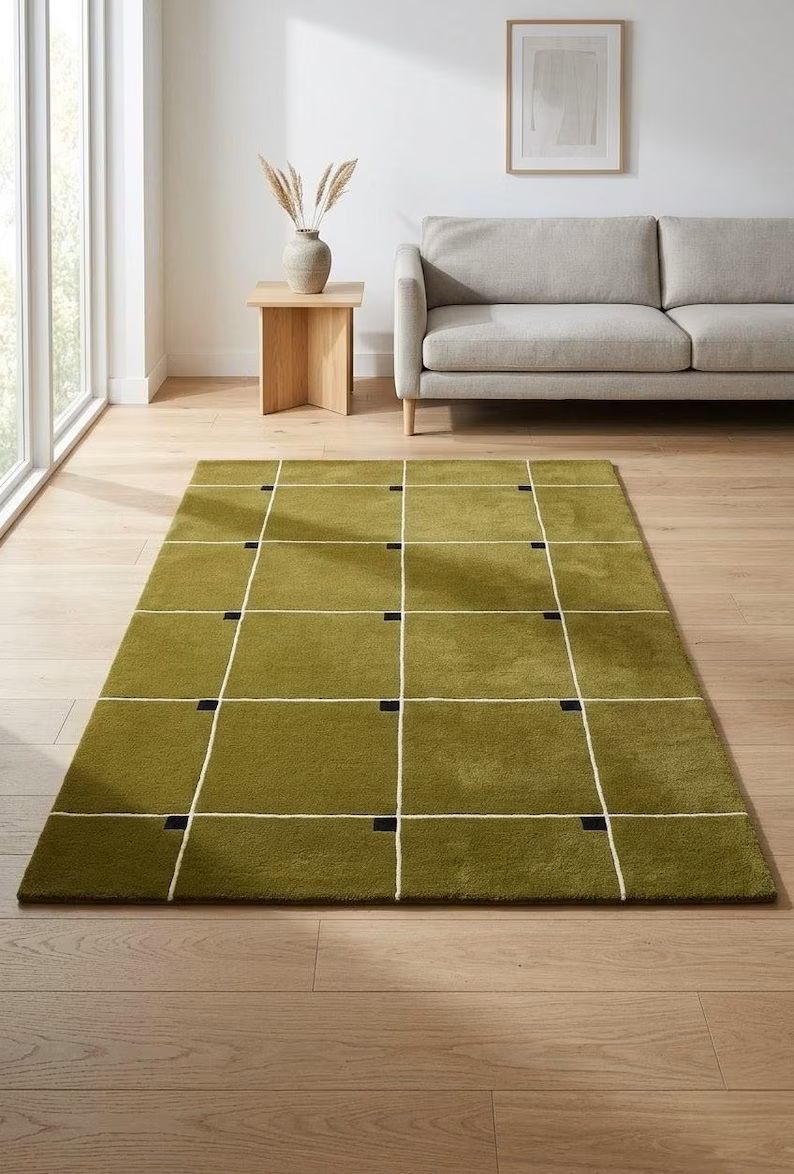
Silk (viscose) wins on visual impact in photographs and in low, warm light. The sheen of a viscose or bamboo silk pile at dusk or under warm evening lighting is genuinely spectacular — there is a reason high-end Indian living room photographs so often feature silk-blend rugs. Wool, by contrast, has a matte, rich warmth that looks better in natural light and gives a more "grounded" quality.
Pure silk is the softest material available — incomparably so. Viscose is very soft and silky to the touch. Wool is warm, slightly coarser in texture but deeply satisfying in a different way — the kind of material that feels "right" under bare feet in winter.
Wool significantly outperforms viscose on durability. Wool pile withstands abrasion, compression recovery, and moisture exposure far better than viscose. In Indian homes with children, pets, or significant daily foot traffic, wool is the practical choice. Viscose is better suited to lower-traffic display areas.
Wool: can be spot-cleaned with cold water; responds well to professional wet cleaning; vacuum regularly. Viscose/silk: must be dry cleaned only; water causes irreversible pile distortion; avoid in wet or high-humidity zones. For Indian kitchens, dining rooms, and corridors — wool only. For formal living rooms and master bedrooms in air-conditioned environments — viscose or silk can be appropriate.
For most Indian buyers in 2026, the wool-viscose blend (typically 70–80% wool, 20–30% viscose) offers the best practical outcome. The wool provides structural durability, temperature regulation, and resilience. The viscose adds the visual sheen and softness that make silk carpets so appealing.
Wool-viscose blends are our bestselling carpet material at Rug Store — consistently popular across all cities and room types. Browse our hand-tufted rugs collection to see the full range of wool-viscose blend options from our Bhadohi workshop.
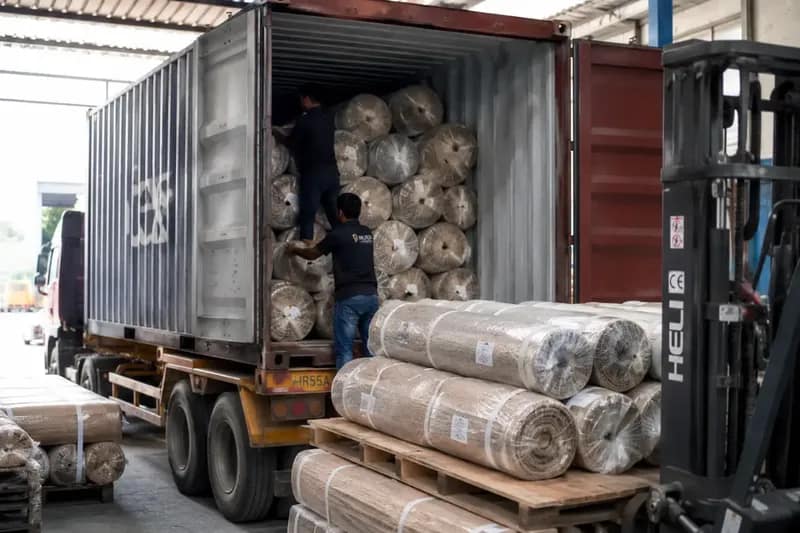
At Rug Store, we manufacture both wool and silk-blend carpets in our Bhadohi, Uttar Pradesh factory. Our quality control team tests pile density, backing integrity, and pile recovery daily. Our sales and customer service data show us exactly which materials satisfy buyers long-term and which generate the most return or complaint queries. Viscose-only rugs in high-traffic zones consistently generate more wear-related complaints; wool and wool-viscose rugs in appropriate pile heights generate almost none. This is the evidence behind our recommendations.
Wool is significantly more durable for everyday Indian home use. Wool pile withstands abrasion and compression better than viscose, responds to cleaning more effectively, and maintains its appearance longer. Viscose is a better display material than a high-use flooring material.
Yes, in a formal or low-traffic living room with no children or pets. Viscose/art silk carpets look spectacular and are popular in Indian drawing rooms. For main family living rooms with daily traffic, a wool or wool-viscose blend is more practical.
Pure silk is the most premium option, followed by bamboo silk, then wool, then viscose (art silk). The viscose-vs-wool price overlap makes wool-viscose blends particularly good value for most buyers. Browse our hand-tufted rugs collection for current pricing.
Viscose and silk carpets must be dry cleaned — never wet cleaned or steam cleaned. Water causes viscose fibres to distort permanently and leaves visible watermarks. Blot any accidental liquid spills immediately with a completely dry cloth and consult a professional cleaner for anything beyond light dusting.
For most Indian buyers — considering the climate, lifestyle, and value — a wool-viscose blend hand-tufted carpet from Bhadohi offers the best overall package. It delivers the visual sheen of silk with the durability and warmth of wool. Browse our hand-tufted rugs collection for the full range.
Viscose is non-toxic and safe for children. However, silk-blend carpets are more delicate than wool and less suitable for playrooms or kids bedrooms that see intensive use. For kids rooms, a wool or polyester shaggy is more appropriate. See our kids rugs collection for child-safe options.
Explore
Handcrafted rugs from verified Indian artisans and sellers — traditional weaves, modern designs, and everything in between. Delivered to your door.
Browse the Collection-800x451.webp&w=1920&q=72)