Seasonal Carpet Care India: Monsoon, Summer and Winter Maintenance Guide
Carpet care India seasons is a topic that does not get enough attention — most carpet care advice online is written for temperate Western climates that bear little resemblance to India's extreme seasonal swings. India has one of the most demanding carpet environments in the world: temperatures that reach 45 degrees Celsius in summer, monsoon humidity that can exceed 90% in coastal cities, and a dry, dusty winter that generates its own maintenance challenges. At Rug Store, our craftsmen in Bhadohi, Uttar Pradesh make carpets specifically for Indian conditions, and we know exactly what those conditions demand in terms of care.
This guide gives you a complete season-by-season carpet maintenance plan for Indian homes — whether you own a jute flat-weave, a wool hand-tufted, a shaggy polyester, or a hand-knotted heirloom piece.
Summer Care (March to June): Heat, Dust and Fading
Indian summer is the most aggressive season for carpet fading and dust accumulation. Peak temperatures, intense UV exposure, and the dust storms that precede monsoon in North India (particularly Delhi, Agra, and Lucknow) combine to create conditions that can visibly age a carpet within a single season if not managed.
Vacuuming Frequency in Summer
In cities like Delhi, Jaipur, and Chandigarh, dust infiltration during March through June is significant. Vacuum your carpets every 3 to 5 days during summer — more frequently if you are near a construction site or in a high-traffic area. Use a vacuum with strong suction and a beater attachment for pile rugs. For jute and flat-weave rugs found at rugstore.in/online-carpet-store/rugs-carpets/jute-rugs/, use a low-suction setting with no beater to protect the natural fibres.
Fading Prevention
Direct summer sunlight on a carpet pile will fade even the best synthetic dyes within 3 to 5 years and natural dyes faster still. Keep summer blinds, sheers, or UV-blocking curtains drawn during peak sunlight hours — typically 11am to 4pm. Rotating your carpet 90 degrees every three months ensures even sunlight exposure across the surface, preventing one section from fading faster than another.
Material Suitability for Summer
Jute and cotton flat-weave rugs are the best summer options in Indian homes — both fibres breathe well, do not trap heat in the pile, and feel cool underfoot. Hand-tufted wool rugs at rugstore.in/online-carpet-store/rugs-carpets/hand-tufted-rugs/ are perfectly fine in summer rooms with adequate ventilation. The one carpet type to be cautious about in hot climates is synthetic shaggy with a thick pile — in hot, humid conditions, the deep pile can trap moisture and warm air, creating an unpleasant foot feel.
Summer Storage for Wool Carpets
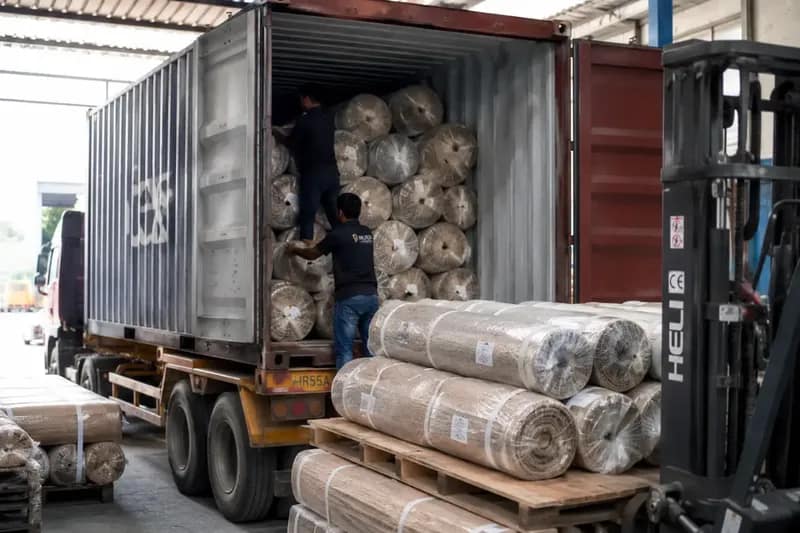
If you store wool carpets in summer — for instance, seasonal rotation where you use lighter rugs in summer and bring out heavier wool pieces in winter — pack them with cedar blocks, neem leaves, or commercial mothballs. Never store wool carpets in plastic bags, which trap moisture. Use breathable cotton covers. Ensure the storage space is dry and ventilated.
Monsoon Care (July to September): The Critical Season
Monsoon is the most critical carpet care season in India, and in coastal cities like Mumbai, Chennai, Kochi, and Goa, it requires active management. High humidity, pooling water on balconies, and the general dampness that pervades Indian homes during monsoon create conditions that can permanently damage carpets if not handled correctly.
Moisture Prevention: The First Priority
The single most important monsoon carpet care practice is to raise carpets off damp floors. In apartments with older construction, floor dampness can migrate up through the slab during heavy monsoon. Use a non-slip carpet pad under all carpets during monsoon — this creates an air gap between the carpet backing and the floor, dramatically reducing moisture transfer.
Handling a Wet Carpet
If a carpet gets wet — from a leaking window, a tracked-in monsoon puddle, or a bucket overspill — act within the first 30 minutes. Do not leave the wet carpet flat in a closed room. Roll it up loosely, carry it to a terrace or balcony, and unroll it in the open air with a fan or natural breeze. If the carpet cannot be taken outside, stand it on its end and direct a strong floor fan at both sides.
A wet carpet dried slowly in a closed, humid room will almost certainly develop mould. The smell of mould in a carpet backing is permanent — no amount of cleaning fully eliminates it. Speed and airflow are everything.
Which Carpets to Avoid During Monsoon
Natural fibre carpets — particularly jute — absorb moisture readily and are susceptible to mould and mildew in wet monsoon conditions. If you live in a coastal city with heavy monsoon exposure, consider storing jute rugs during the peak monsoon months and replacing them with synthetic or tightly woven wool alternatives. Viscose carpets also suffer significantly in damp conditions — viscose fibres weaken and lose their sheen when repeatedly exposed to moisture.
Mould Warning Signs and Response
- Black spots appearing on pile or backing: Early mould. Act immediately — take outside, brush in sunlight, treat with a diluted white vinegar solution.
- Musty, earthy smell: Mould has established in the backing or underlay. Professional cleaning is required — this cannot be resolved by surface treatment.
- Pile becoming stiff or brittle: Moisture damage to the fibre structure. Wool can sometimes be restored with professional treatment; synthetics typically cannot.
- Colour bleeding at the edges: Moisture has reached the dye — particularly risky for hand-knotted pieces. Professional assessment needed immediately.
Silica Gel for Stored Carpets
If you are storing carpets during monsoon — rolled up in a cupboard or under a bed — place silica gel desiccant packets inside the roll. Replace or regenerate the silica gel packets monthly during the monsoon season. This is the single most effective low-cost measure for preventing moisture damage in stored rugs.
Post-Monsoon (October): Deep Clean Before Diwali
October marks the end of monsoon and the beginning of the festive season — Navratri, Dussehra, and then Diwali. It is the ideal time for a deep carpet clean that prepares your rugs for intensive use during the festivities.
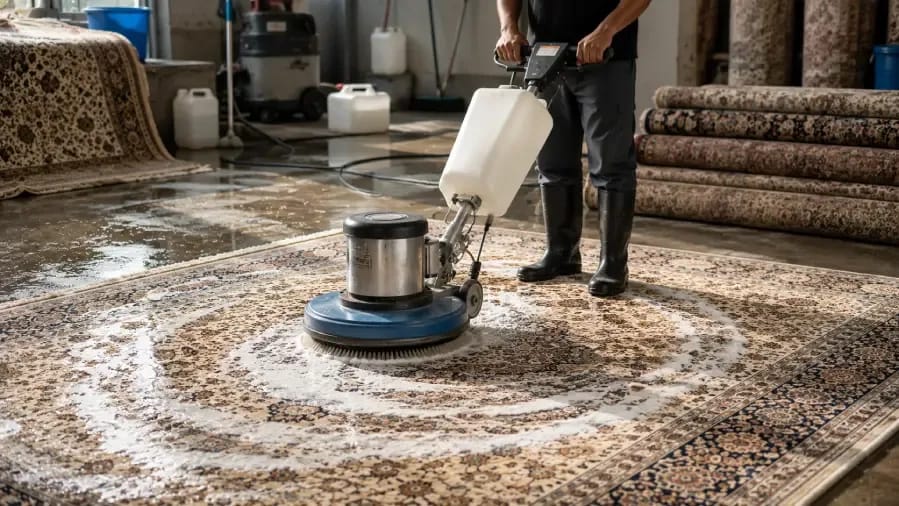
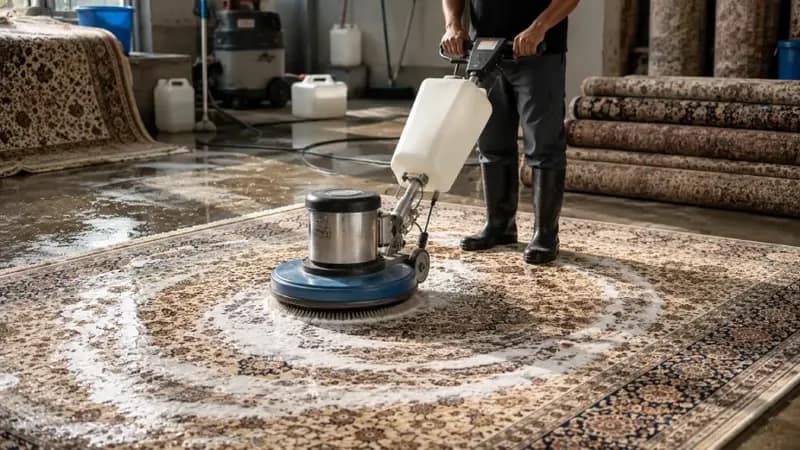
If your carpets have been through a hard monsoon season, October professional cleaning is not optional — it is essential. Professional hot-water extraction cleaning removes embedded monsoon dust, any developing mould spores, and accumulated allergens from the rainy season. Allow 24 to 48 hours of drying time after professional cleaning before placing the carpet back on the floor. Do not lay a freshly cleaned carpet for Diwali festivities without adequate drying time.
Winter Care (November to February): Peak Use Season
North Indian winter brings the period of peak carpet use. Families spend more time indoors, guests visit for Diwali parties and New Year gatherings, and the warmth of a well-chosen wool or shaggy carpet is genuinely appreciated. The main winter carpet care requirement is more frequent vacuuming and an annual professional deep clean.
- Vacuuming: Increase to every 2-3 days during heavy-use winter weeks. Guests, parties, and indoor time all increase foot traffic significantly.
- Spot cleaning: Winter festivities bring spill risks — sweets, mithai, biryani, beverages. Always blot (never rub) and treat with cold water immediately.
- Shaggy and wool rugs: These are in their element in winter — keep them vacuumed regularly to maintain pile loft and appearance.
- Professional cleaning: Schedule once per year, ideally in October (post-monsoon) or March (post-winter before summer heat). At rugstore.in/shop/ we can advise on recommended cleaning services in major Indian cities.
- Rug rotation: If you have two sets of rugs (a common practice in larger Indian homes), bring out the heavier wool and shaggy pieces in November and rotate back to lighter jute and cotton in March.
Quick Reference: DIY Stain Treatment by Type
- Curry / turmeric: Blot immediately, never rub. Apply baking soda paste. Leave 10 minutes. Brush and vacuum. Cold water rinse. Blot dry.
- Coffee / tea: Blot immediately. Cold water only. Mild dish soap solution. Rinse. Blot dry with clean cloth.
- Red wine: Blot immediately. Club soda or cold sparkling water — the carbonation helps lift the stain. Blot repeatedly. Mild soap. Cold rinse.
- Oil / ghee: Sprinkle cornstarch or baking soda to absorb oil. Leave 15 minutes. Brush away. Apply dish soap solution. Blot.
- Mud: Let dry completely first. Vacuum dry mud thoroughly. Then treat residual stain with cold water and mild soap.
- Pet accidents: Blot immediately. Enzyme-based pet stain remover. Rinse thoroughly. Ensure complete drying to prevent odour retention.
Frequently Asked Questions
How do you protect carpets during monsoon in India?
The most important monsoon carpet protection measures are: use a non-slip carpet pad to create an air gap between carpet and floor, keep jute and viscose rugs stored during peak monsoon, ensure wet carpets are dried immediately in open air with fan assistance, and use silica gel packets in stored rolls. In coastal cities like Mumbai, Chennai, and Kochi, consider waterproof anti-slip underlay beneath all carpets during monsoon months.
Can carpets get mould in Indian humidity?
Yes — carpets can absolutely develop mould in Indian monsoon humidity, particularly natural fibre carpets like jute and cotton, and any carpet laid on a damp floor surface. The key conditions for mould are: moisture in the pile or backing, warmth, and poor ventilation. All three are common in Indian homes during monsoon. Early signs are black spots and musty smell. Prevention — air gaps, immediate drying of wet rugs, and silica gel in storage — is far more effective than treatment.
How to dry a wet carpet quickly in India?
To dry a wet carpet quickly in India: take it outside to a terrace or balcony if possible, unroll it fully, and expose both sides to air and sunlight. Use a strong floor fan or standing fan directed at both surfaces if drying indoors. Never leave a wet carpet rolled up in a closed room. In monsoon conditions where outdoor drying is not possible, create maximum airflow indoors with fans and open windows, and place the carpet propped up so air circulates under it.
Which carpets are best for high-humidity areas?
For high-humidity areas in India — coastal cities, basement rooms, apartments with poor ventilation — synthetic fibres (polypropylene, polyester) are the most practical choice because they do not absorb moisture. Among natural fibres, tightly woven wool is the most humidity-resistant. Avoid jute, sisal, and viscose in high-humidity rooms. Hand-tufted wool rugs from rugstore.in/online-carpet-store/rugs-carpets/hand-tufted-rugs/ made in Bhadohi with good quality latex backing perform well in moderate-humidity conditions.
How often should you deep clean carpets in India?
In Indian conditions, deep professional cleaning once per year is the minimum recommendation for quality carpets — ideally in October after monsoon season, before the Diwali festivities. Heavy-use carpets in homes with children, pets, or frequent guests benefit from deep cleaning every 6 months. Everyday maintenance (regular vacuuming, immediate spot treatment) between professional cleans keeps carpets looking their best throughout the year.
-800x451.webp&w=1920&q=72)