Carpet Price Guide India 2026: What Do Different Carpets Cost and Why?
Carpet price India 2026 is one of the most searched questions among Indian home buyers, and the reason is a market that spans an enormous range — from a Rs 500 machine-made mat to a Rs 5,00,000 hand-knotted silk masterpiece. Understanding why carpets are priced the way they are is the difference between feeling cheated and feeling confident in your purchase. At Rug Store, we produce directly in Bhadohi, Uttar Pradesh — India's carpet manufacturing capital — which gives us a clear-eyed view of exactly what goes into every price point.
This guide provides a comprehensive, honest breakdown of what different types of carpets cost in India in 2026, what drives those prices, and how to identify the best value at each tier. No vague ranges, no marketing inflation — just the real numbers from people who make these products.
The Carpet Price Spectrum: An Overview
Carpets in India span seven distinct price tiers, each representing a different construction method, material quality, and expected lifespan. Here is the full landscape at a glance for a standard 5x8 ft carpet — the most common size for Indian living rooms and bedrooms.
- Machine-made / power loom (5x8 ft): Rs 800-Rs 3,500. Automated production, synthetic or polypropylene pile.
- Jute flat-weave (5x8 ft): Rs 1,200-Rs 4,000. Natural material, partially handwoven.
- Cotton flat-weave dhurrie (5x8 ft): Rs 1,500-Rs 5,000. Handwoven, washable, durable.
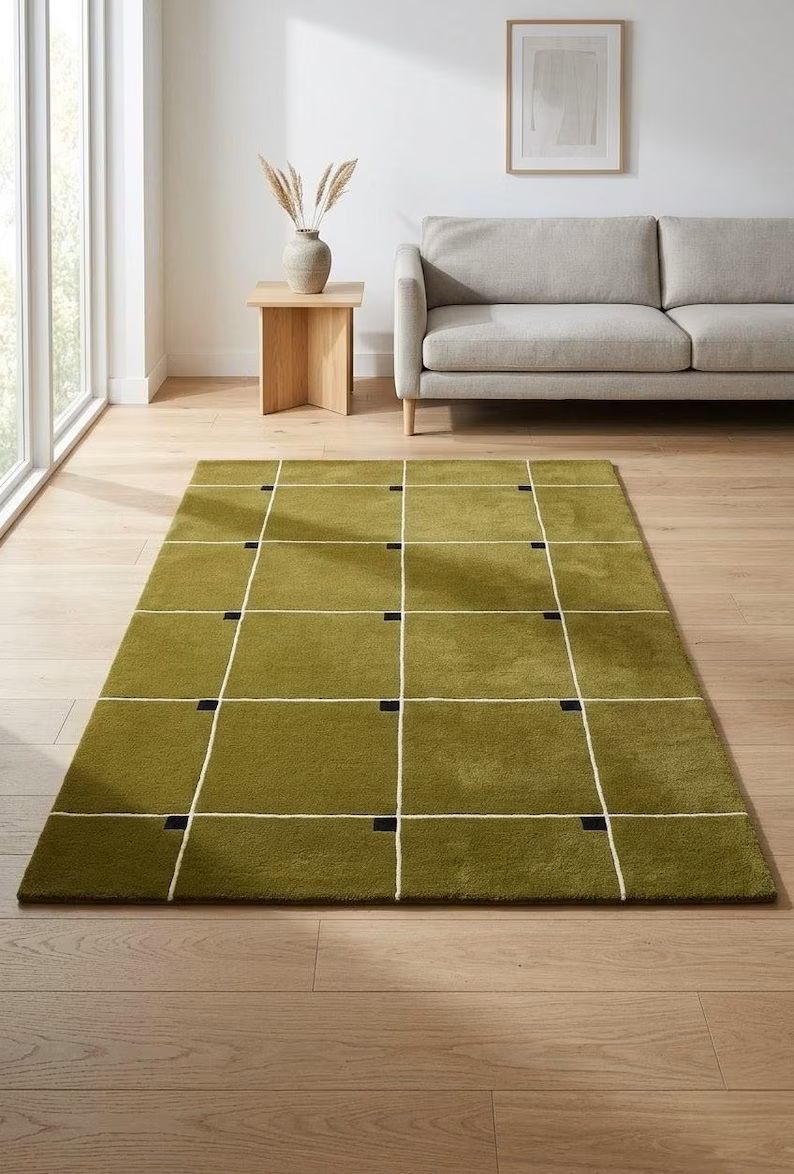
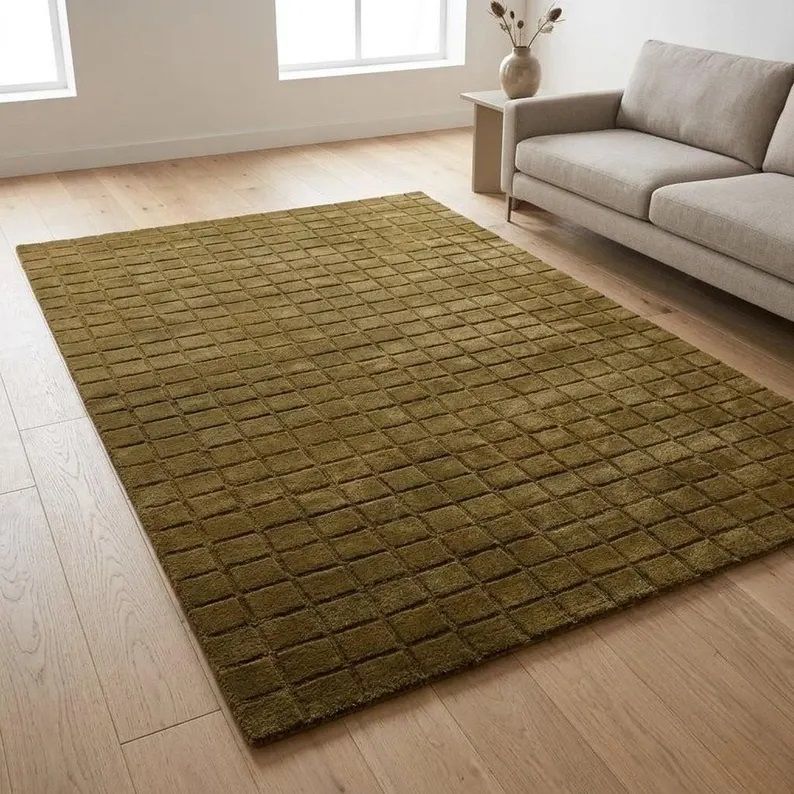
- Hand-tufted wool (5x8 ft): Rs 3,500-Rs 12,000. Skilled handcraft, quality natural fibre.
- Shaggy polyester (5x8 ft): Rs 2,000-Rs 8,000. Deep pile adds material cost; synthetic fibre.
- Viscose / art silk (5x8 ft): Rs 4,000-Rs 15,000. Complex construction, luxurious sheen.
- Hand-tufted silk blend (5x8 ft): Rs 10,000-Rs 35,000. Premium natural silk construction.
- Hand-knotted wool (5x8 ft): Rs 25,000-Rs 80,000. Three to six months of skilled production.
- Hand-knotted silk (5x8 ft): Rs 60,000-Rs 3,00,000. Master craftsmanship, collector grade.
What Drives Carpet Pricing in India
Five factors determine where a carpet sits in the price spectrum. Understanding each one helps you assess whether a given price is justified or inflated.
1. Material
Raw material is the single largest cost component in any carpet. Natural wool from New Zealand costs significantly more than Indian domestic wool, which costs more than polypropylene or polyester. Pure silk is the most expensive fibre used in carpet production — its labour-intensive extraction and the delicacy of the weaving process justify prices that can reach Rs 5,00,000 for a single room-sized piece.
Material adulteration is a real risk in the Indian market. Art silk (viscose) is sometimes sold as pure silk. Acrylic is sometimes blended into wool products and not disclosed. The burn test — applying a flame to carpet fibres and observing how they react — remains the most reliable DIY verification for material authenticity.
2. Knot Count (KPSI)
For hand-knotted carpets, the Knots Per Square Inch (KPSI) is the primary quality and price determinant. At 40 KPSI, a carpet is good functional quality. At 80 KPSI, design detail becomes fine and clear. At 120 KPSI, complex pictorial designs become achievable. At 200+ KPSI, the carpet is effectively a woven painting. Each step up in KPSI multiplies both the production time and the material precision required.
3. Pile Height and Weight
Pile height directly affects material cost — more pile means more fibre. A shaggy rug with 50mm pile contains significantly more polyester or wool per square foot than a flat-weave. Pile weight (grams per square metre) is the technical specification that correlates most directly with density and durability — a 2,000 GSM wool tufted carpet is fundamentally a better, heavier, more durable product than an 800 GSM carpet, and the price reflects this.
4. Production Time and Labour
Machine-made carpets are priced so low because a single factory can produce hundreds of square metres per day. A hand-knotted carpet uses one skilled weaver who may tie 4,000 knots per day. A 5x8 ft carpet at 80 KPSI contains approximately 1.2 million knots — representing roughly 300 working days for one weaver. This labour investment is irreducible and is reflected honestly in the price.
Bhadohi's competitive advantage as India's carpet capital is the density of skilled weavers in the region — 25 or more years of craft tradition, with skills passed through families, creates a labour pool that produces quality hand-knotted and hand-tufted carpets at prices lower than comparable production anywhere else in the world.
5. Dye Quality and Origin Certification
High-quality dyes — especially natural dyes and azo-free synthetic dyes — cost significantly more than commodity synthetic dyes. Natural indigo, pomegranate, and madder dyes used in authentic Bhadohi craft production add both cost and value. Certifications like OEKO-TEX Standard 100, which verifies the carpet is free from harmful substances, also add cost but justify premium pricing with verifiable safety standards.
Hand-Tufted vs Machine-Made: The Value Comparison
The most common purchasing decision Indian buyers face is whether to buy a hand-tufted wool carpet at Rs 6,000-Rs 12,000 or a machine-made alternative at Rs 1,500-Rs 3,500. Here is the honest comparison.
- Machine-made: Made from polypropylene or polyester in automated factories. Production time: seconds per square foot. Pile is uniform and flat. Lifespan: 2-4 years before visible wear, matting, and fading.
- Hand-tufted wool (Bhadohi): Made by a skilled craftsperson using a tufting gun on a canvas frame, then hand-finished. Pile is dense, resilient, and natural. Lifespan: 15-25 years with proper care. At rugstore.in/online-carpet-store/rugs-carpets/hand-tufted-rugs/.
- Cost per year comparison: A Rs 2,500 machine-made carpet lasting 3 years equals Rs 833 per year. A Rs 9,000 hand-tufted wool carpet lasting 20 years equals Rs 450 per year.
- The hand-tufted wool carpet is literally the cheaper option over its lifetime — and the quality difference in those years of use is immense.
How to Spot Fake Pricing Claims
Indian online retail has a significant problem with inflated original price claims — products listed at Rs 15,000 original and sold at Rs 3,500 discount. Here is how to cut through the noise.
- Reference the price guide above: If a hand-knotted silk carpet is Rs 5,000, it is not hand-knotted silk. Period.
- Check pile weight / GSM: Legitimate product listings from quality suppliers specify pile weight in GSM. If this data is absent, ask before buying.
- Burn test after purchase: If you receive a rug claimed to be wool and the burn test reveals synthetic, you have grounds for return.
- Bhadohi provenance: Products directly from Bhadohi producers like rugstore.in/shop/ carry lower retail markups than products that have passed through multiple distributors.
- Ask for the KPSI count: Any reputable seller of hand-knotted carpets should be able to confirm the KPSI. Evasiveness on this question is a warning sign.
Best Value Picks at Every Price Point
- Under Rs 3,000: Jute flat-weave, 4x6 ft. Natural, artisanal, genuinely handmade. Better quality and character than machine-made synthetics at the same price.
- Rs 3,000-Rs 6,000: Cotton dhurrie, 5x8 ft. Handwoven, fully washable, durable, and beautiful. Excellent dining room and kids room choice.
- Rs 6,000-Rs 12,000: Hand-tufted wool, 5x8 ft. The best overall value in Indian carpet buying. Genuine craft quality, natural fibre, 15+ year lifespan. At rugstore.in/online-carpet-store/rugs-carpets/hand-tufted-rugs/.
- Rs 12,000-Rs 25,000: Viscose silk blend hand-tufted, 6x9 ft. Luxurious sheen, impressive design, suitable for formal drawing rooms.
- Above Rs 25,000: Hand-knotted wool. An investment-grade purchase that improves with age and can last 50 or more years.
Frequently Asked Questions
How much does a carpet cost in India?
Carpet prices in India in 2026 range from Rs 800 for a basic machine-made 5x8 ft mat to Rs 3,00,000 or more for a hand-knotted pure silk carpet of the same size. The most popular price bracket for quality Indian home buyers is Rs 4,000-Rs 15,000 for a hand-tufted wool or viscose carpet in standard living room or bedroom sizes.
Why are handmade carpets expensive?
Handmade carpets are expensive because they are labour-intensive. A hand-knotted 5x8 ft carpet at 80 KPSI requires approximately 300 working days from a skilled weaver, plus material, dye, washing, and finishing costs. The price of a handmade carpet is essentially the price of genuine human artistry and skill — something that cannot be replicated by machine at any price.
What is the price range for hand-tufted carpets?
Hand-tufted carpets in India range from Rs 3,500 to Rs 35,000 depending on size, material, and design complexity. For a standard 5x8 ft hand-tufted wool carpet from Bhadohi, expect to pay Rs 4,000-Rs 12,000 for genuine quality. Anything significantly below Rs 3,500 for a 5x8 ft hand-tufted wool product should be treated with scepticism — the material or construction quality is likely compromised.
Are there affordable luxury options?
Yes — hand-tufted wool carpets from Bhadohi in the Rs 6,000-Rs 15,000 range represent genuine luxury at accessible prices. Because rugstore.in produces directly in Bhadohi without retail middlemen, the price you pay is close to the actual production cost plus a fair margin. This direct supply model means you access Bhadohi craft quality at prices that would be 30-40% higher at a brand retailer or interior designer markup.
What affects carpet pricing in India?
The five main factors affecting carpet pricing in India are: material quality (silk vs wool vs synthetic), construction method (hand-knotted vs hand-tufted vs machine-made), knot or pile density (KPSI or GSM), size, and dye quality. Additionally, supply chain structure matters — carpets bought directly from Bhadohi producers cost significantly less than the same quality piece bought through a brand retailer or interior designer.
-800x451.webp&w=1920&q=72)