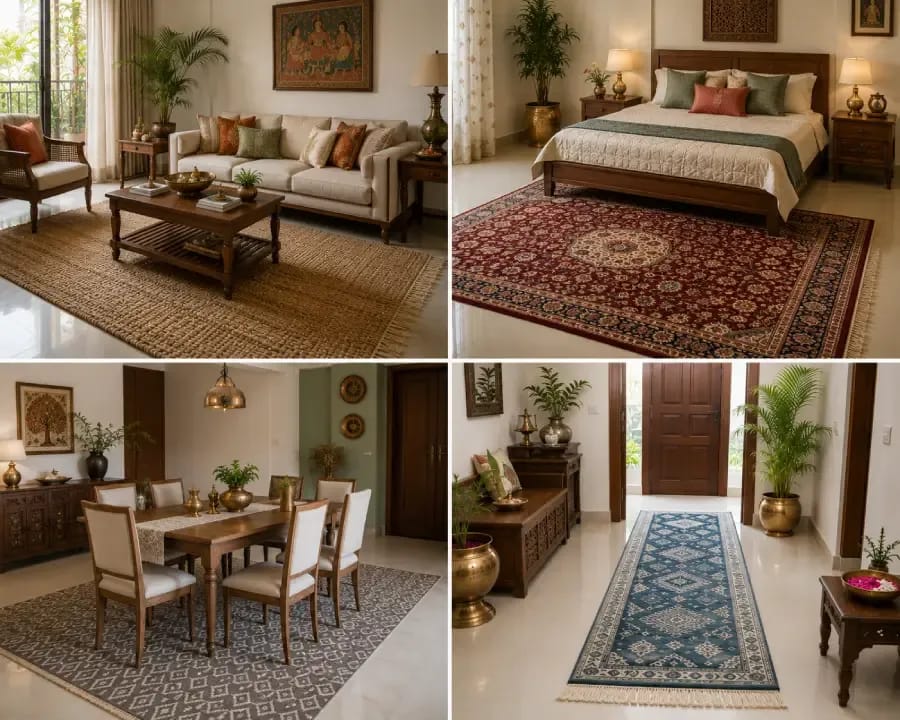
Best Carpet Colors for Indian Homes: Room-by-Room Guide 2026
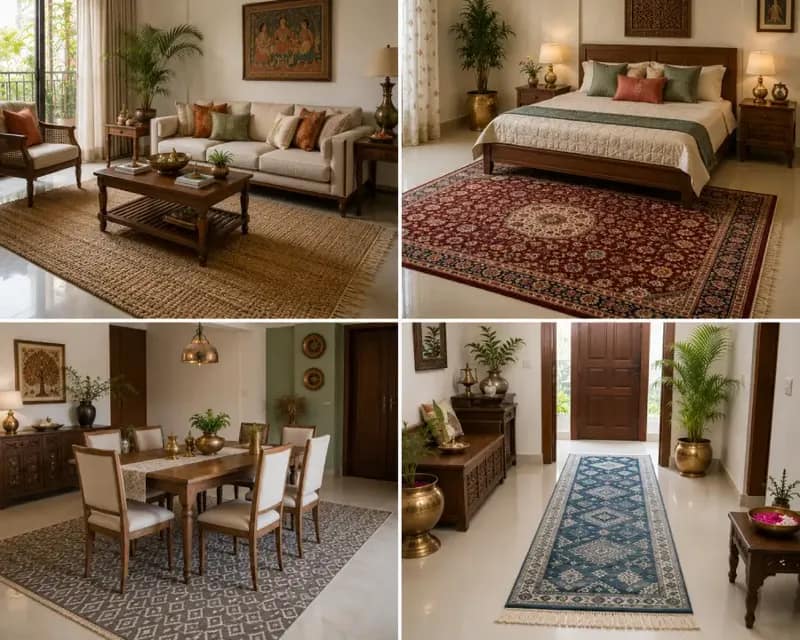
Choosing the best carpet color for Indian homes is one of the most consequential interior decisions you will make — and also one of the most confusing. The wrong colour can make a 3BHK living room feel like a corridor, or turn an already-warm bedroom into a heat trap during Delhi summers. The right carpet colour, on the other hand, anchors the entire room, reflects light intelligently, and holds up against Indian domestic realities: dusty feet, festival gatherings, and the occasional turmeric mishap.
At Rug Store, we have worked with interior designers and homeowners across Delhi, Mumbai, Bengaluru, Hyderabad, and Chennai. This room-by-room guide distils that experience into practical, actionable colour advice for every space in your home — including a vastu colour section for those who factor directional energy into their interiors.
Best Carpet Colors for the Living Room
The living room demands the most careful colour consideration because it is your highest-traffic area and the first impression visitors receive. In Indian homes specifically, the living room doubles as a gathering space for festivals, family visits, and celebrations — so the carpet must work hard visually and practically.
Grey: The Most Versatile Choice
Mid-tone grey is arguably the single most forgiving carpet colour for Indian living rooms. It reads as neutral against both warm wood furniture and cool metal accents, hides fine dust between cleanings (critical in cities like Delhi and Noida where air pollution brings daily particle settling), and provides a sophisticated backdrop without competing with colourful cushions and artwork.
Light greys work in larger 3BHK drawing rooms where you want to expand the visual space. Charcoal and dark greys suit smaller 2BHK living rooms where you want grounding weight. Explore our grey rug collection at rugstore.in/online-carpet-store/rugs-carpets/modern-carpet/ for geometric and solid options in every shade.
Beige and Ivory: Timeless and Bright
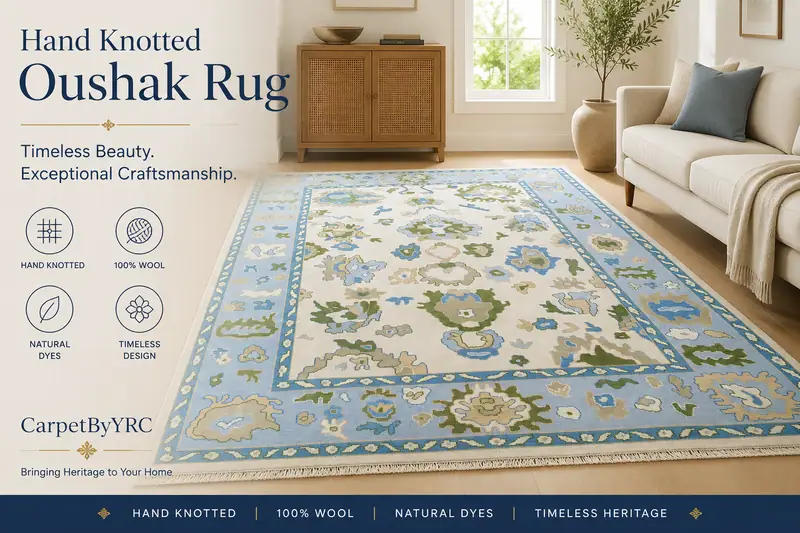
Beige and ivory carpets are a safe choice in living rooms that receive moderate natural light. They make rooms feel larger and airier — a significant benefit in Mumbai apartments where square footage is at a premium. The downside is that light beige shows stains more readily than mid-tones, so pair it with a Scotchgard treatment or choose a flat-weave variant that cleans easily.
Navy Blue: Bold Anchor Colour
Navy blue is having a sustained moment in Indian interiors. Deep navy grounds a room, coordinates beautifully with brass and gold accents (common in Indian decor), and provides a striking contrast against off-white walls. It works particularly well in homes with large sofas in cream or light grey. Navy hides stains effectively but can fade in direct sunlight, so place it away from large west-facing windows common in Mumbai and Pune flats.
Best Carpet Colors for the Bedroom
Bedroom carpets serve a different purpose — they need to feel restful, luxurious underfoot when you step out of bed in the morning, and conducive to sleep. Stimulating colours like bright red or orange have no place here.
Warm Neutrals: Sand, Oat, and Warm White
Warm neutral tones — sand, oat, wheat, and off-white — create a cocooning effect in bedrooms, reinforcing the sense of retreat. These tones coordinate with almost every furniture finish: teak, walnut, white lacquer, and rattan all look harmonious against a warm neutral base. In North Indian winters (Delhi, Agra, Lucknow), a warm-toned carpet adds visual warmth when temperatures drop.
Blush Pink and Dusty Rose: Soft Femininity
Blush pink and dusty rose are 2026 bedroom trends that work beautifully in Indian master bedrooms. These tones are gentle, photogenic (important in the Instagram-aware home decoration space), and create a calming atmosphere. Pair with terracotta accents for a rich earthy palette that is distinctly contemporary-Indian. Browse options in our bedroom carpet collection at rugstore.in/online-carpet-store/rugs-carpets/bedroom-carpet/.
Deep Burgundy and Plum: Winter Warmth
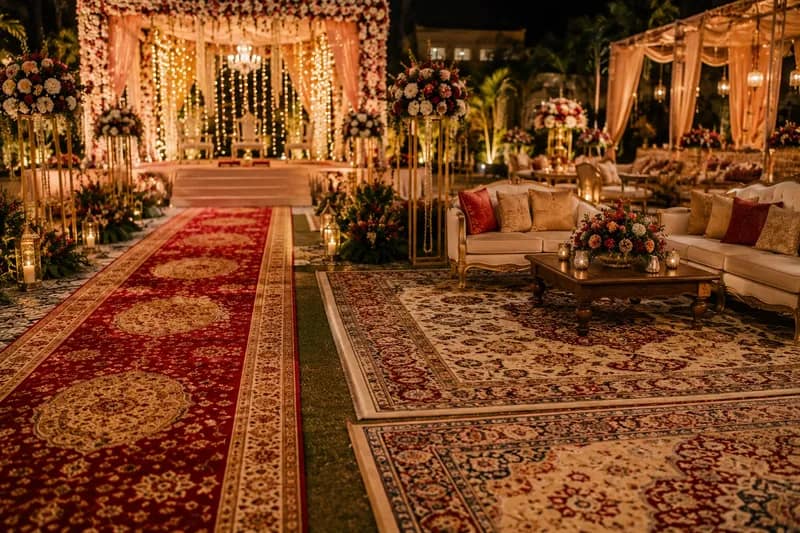
For North Indian homes where winters are genuinely cold, deep jewel tones in the bedroom feel appropriately luxurious and warming. Burgundy and plum work well in bedrooms with dark wooden furniture. These are particularly popular in Chandigarh and Delhi NCR homes where the cold-weather months last three to four months.
Best Carpet Colors for the Kids Room
Kids room carpets face unique demands: they must handle crayon marks, spilled juice, and concentrated foot traffic from energetic children. Colour strategy here is less about aesthetics and more about practical camouflage and developmental benefit.
- Multicolour and patterned: hides stains between washes; stimulating for young children's visual development
- Mid-tone teal or cobalt: bright enough to feel playful without showing every speck of dirt
- Red and yellow: energising primary colours for playrooms, but not ideal for sleep areas
- Avoid pure white or light cream: these show every mark and create cleaning fatigue for parents
- Washable flat-weave in bright tones: the best practical choice for under-5 children's rooms
At Rug Store, our kids rug range at rugstore.in/online-carpet-store/rugs-carpets/kids-rugs/ features patterns and colours designed specifically for Indian children's rooms — from cartoon motifs to playful geometric designs that hold colour well after repeated cleaning.
Best Carpet Colors for the Dining Room
The dining room has the highest risk of food and beverage spills, which means carpet colour selection here is primarily about stain camouflage and practicality. Dramatic colours and light tones are both problematic.
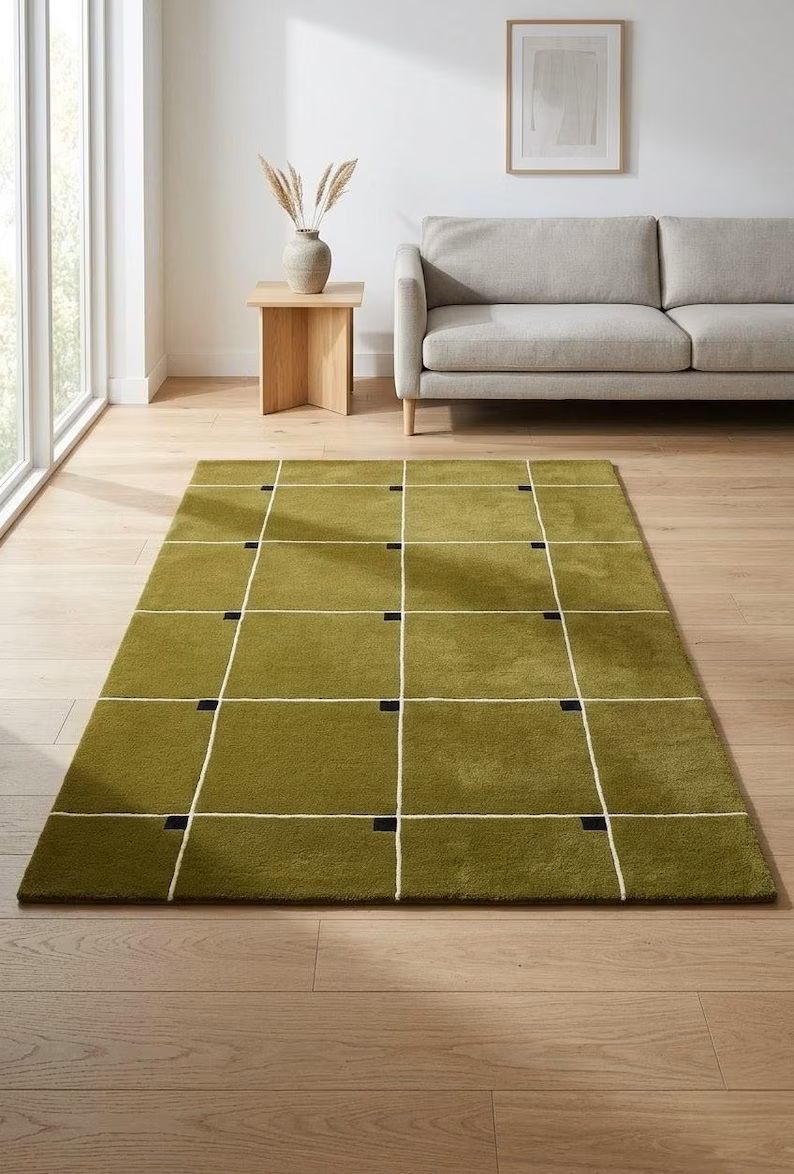
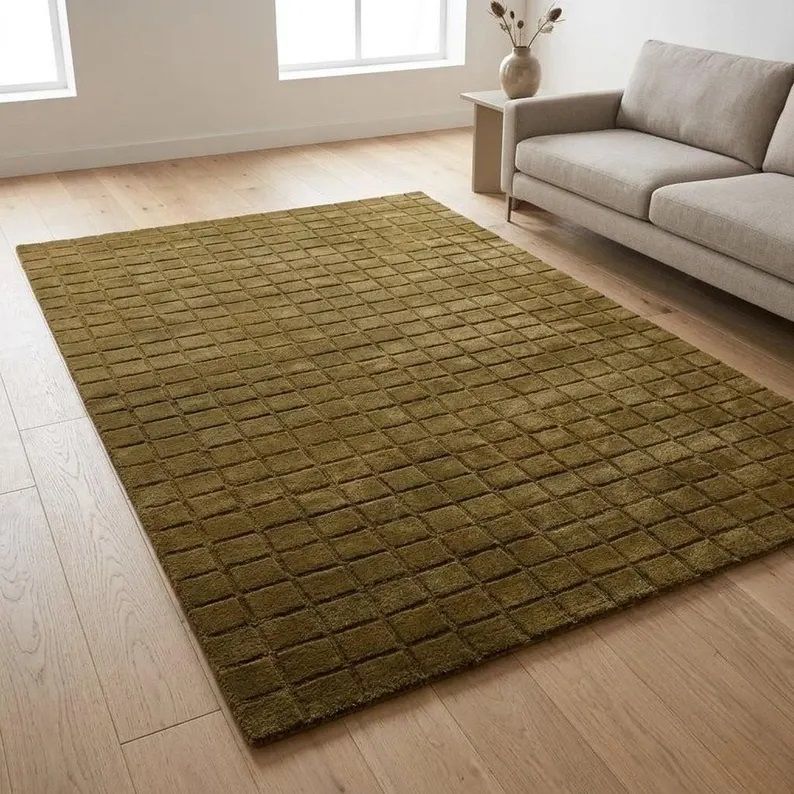
Mid-tones in the brown, olive, terracotta, and rust family are the best performers in Indian dining rooms. These tones camouflage curry stains, dal splashes, and oil spills far more effectively than grey or beige. Darker tones like charcoal are also functional but can make smaller dining spaces feel heavier. Browse our dining room collection at rugstore.in/online-carpet-store/rugs-carpets/dining-room-carpet/ for the right colour options.
Vastu-Friendly Carpet Colours by Direction
Many Indian homeowners factor vastu shastra into interior colour decisions. While we take a design-first approach at Rug Store, here are the vastu colour associations most commonly applied to carpet selection.
- North-facing rooms (Career & Opportunities): Blue, green, and aqua tones — promotes flow of positive energy
- South-facing rooms (Prosperity): Red, orange, and earthy tones — fire element association with abundance
- East-facing rooms (Health & Family): Light green, white, and earth tones — rising sun energy, freshness
- West-facing rooms (Creativity): Grey, silver, white — metal element; promotes mental clarity
- Northeast (Ishanya corner): Light colours only — keep this corner clear and bright; pale yellow or white carpet
- Southwest (Stability): Brown, terracotta, and earthy tones — earth element; grounding and stability
2026 Carpet Colour Trends for Indian Homes
The 2026 colour trends arriving in Indian homes reflect a broader global shift toward earthy, nature-inspired interiors — a reaction against the grey-white minimalism that dominated Indian apartment decor through the 2010s and early 2020s.
Terracotta
Terracotta is the defining carpet colour of 2026 in Indian interiors. It connects to traditional Indian clay, pottery, and architectural heritage while feeling completely contemporary when used in modern flat-weave or hand-tufted constructions. Terracotta works in both living rooms and dining spaces.
Sage Green
Sage and muted olive greens bring the biophilic interior trend into the carpet layer. These tones pair beautifully with natural material furniture — rattan, cane, and light teak — which is also trending strongly in Indian homes. Sage works particularly well in Bengaluru and Pune homes where indoor plant collections are common.
Dusty Rose
Dusty rose is moving from bedroom-only to living room use in 2026, particularly in studio apartments and 1BHK homes in Mumbai and Delhi where a single carpet must serve as both lounge and relaxation space. The muted warmth of dusty rose reads as sophisticated rather than overtly feminine in a well-styled space. Explore our traditional carpet range at rugstore.in/online-carpet-store/rugs-carpets/traditional-carpet/ which includes several warm rose-toned designs.
Frequently Asked Questions
Which carpet colour hides dust the best in Indian homes?
Mid-tone grey is the single best colour for hiding fine dust between cleanings — which is critical in Indian cities with high particulate air pollution. Charcoal, taupe, and warm beige also perform well. Avoid pure white, off-white, and very light pastels in high-traffic areas.
What carpet colour is best for a small Indian apartment?
Light neutrals — pale grey, ivory, warm white, and light beige — make small rooms feel larger by reflecting natural light. In a 2BHK where the living room is under 200 square feet, a light-coloured carpet creates essential visual breathing room. Avoid very dark tones in compact spaces as they visually compress the room.
Are there vastu-approved colours for living room carpets?
According to vastu shastra, the living room benefits from calming, welcoming colours. For a north-facing living room, blue and green tones are recommended. For a south-facing drawing room, earthy reds and oranges are auspicious. Most vastu practitioners agree that white, cream, and light yellow are universally safe choices across all directions.
Which carpet colour is most practical for Indian families with children?
Mid-tone patterned carpets in teal, cobalt, rust, or multicolour are the most practical for households with children. The pattern breaks up the visual field so that small stains and marks are not immediately visible. Flat-weave or low-pile constructions in these colours are easiest to clean with a damp cloth or home carpet cleaner.
What carpet colour goes with Indian wood furniture?
Traditional Indian furniture in teak and sheesham wood has warm brown-red undertones. The best carpet colours to complement this are warm neutrals (beige, camel, sand), rich jewel tones (deep blue, burgundy, forest green), and terracotta. Grey also works but lean toward warm grey with beige undertones rather than cool blue-grey, which can clash with warm wood tones.
-800x451.webp&w=1920&q=72)