Rugs at Factory PriceShop All Rugs.
Shop handmade silk rugs and silk-blend carpets online in India. Rich lustre, premium quality. Factory-direct from Bhadohi. free standard shipping included in displayed prices.
127 products
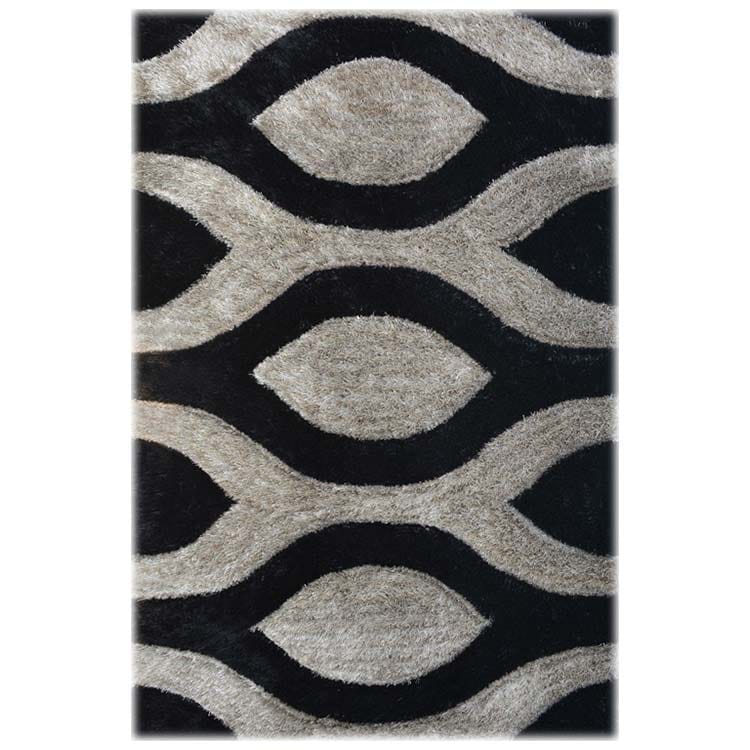
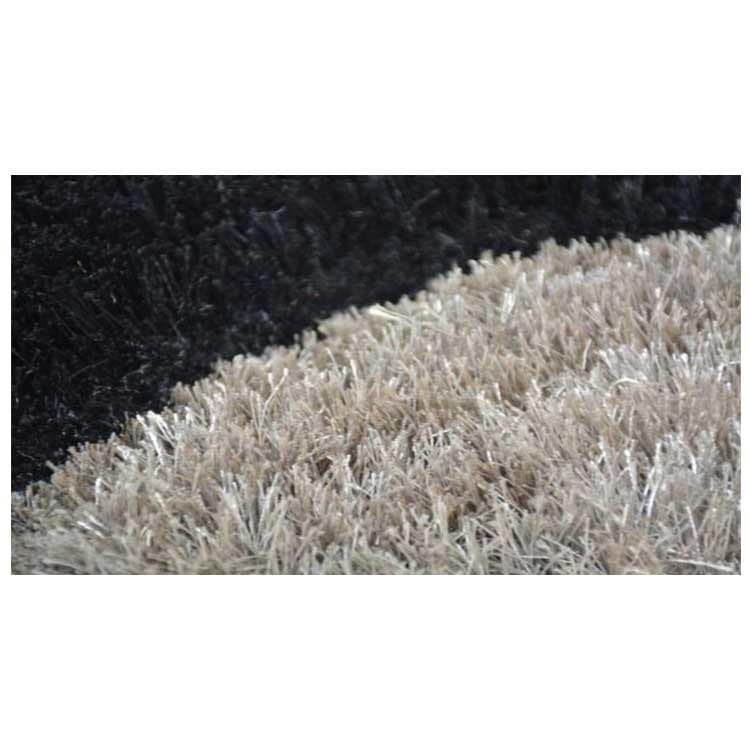
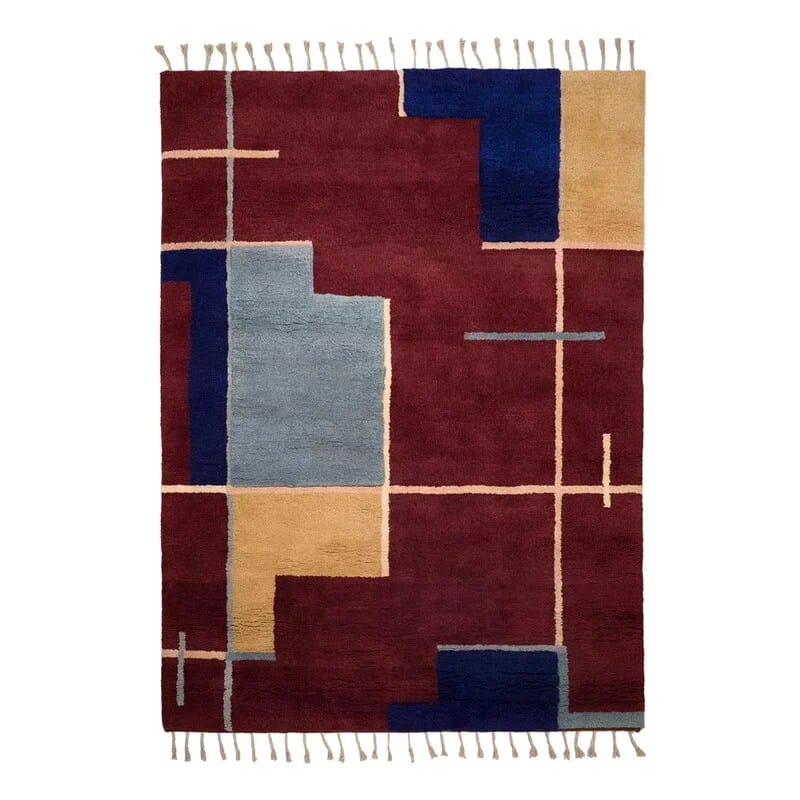
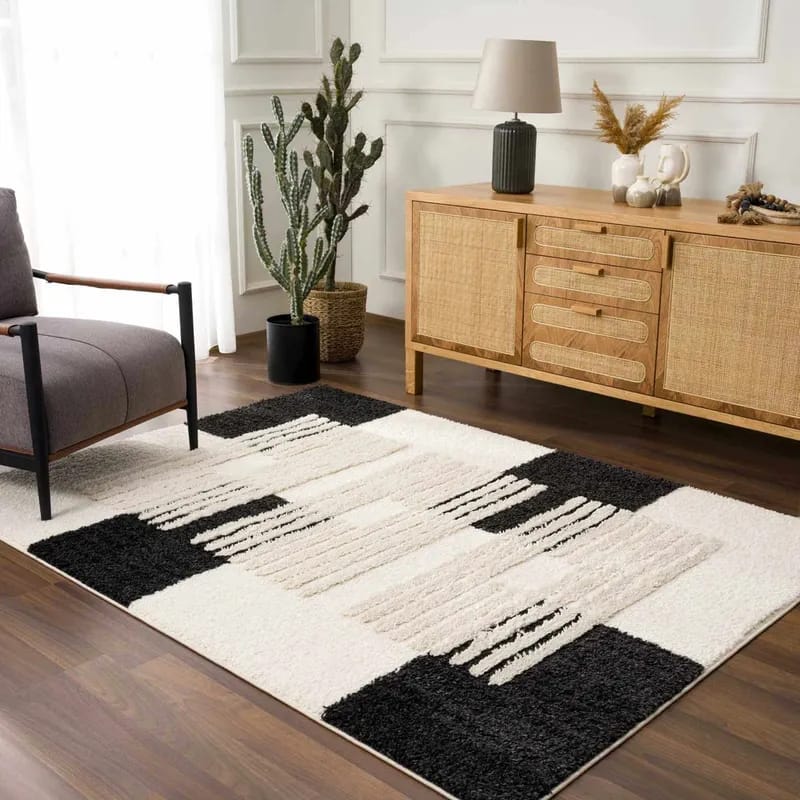
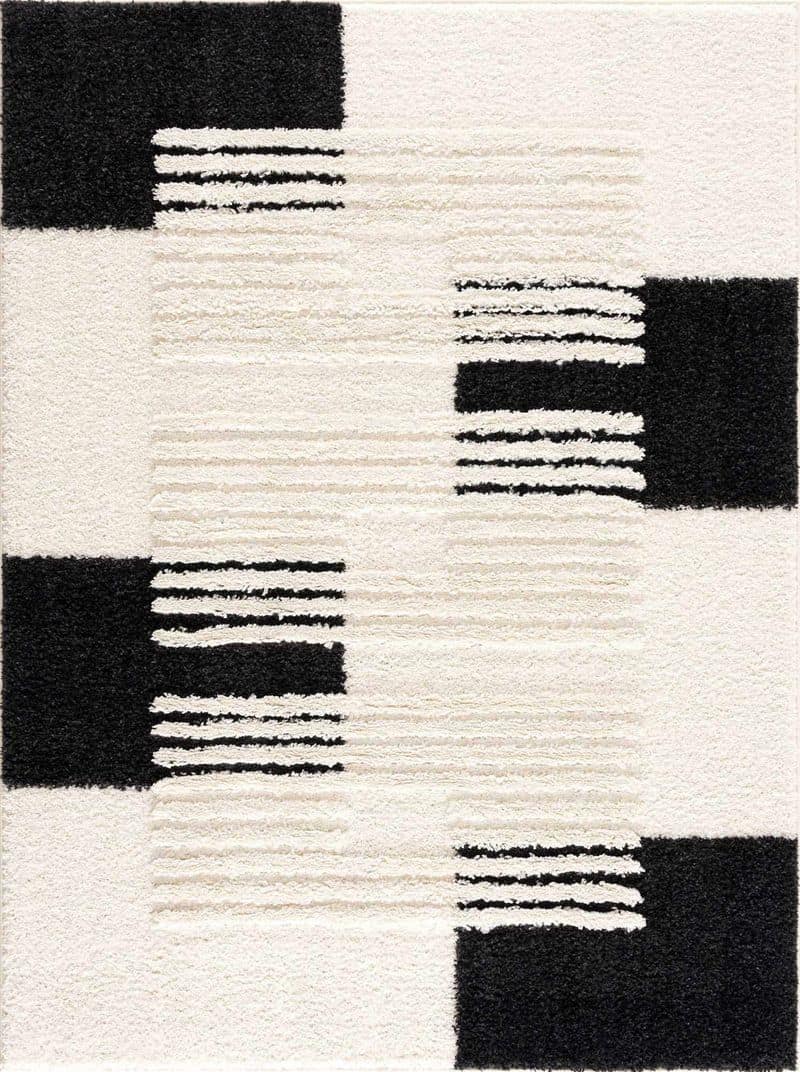
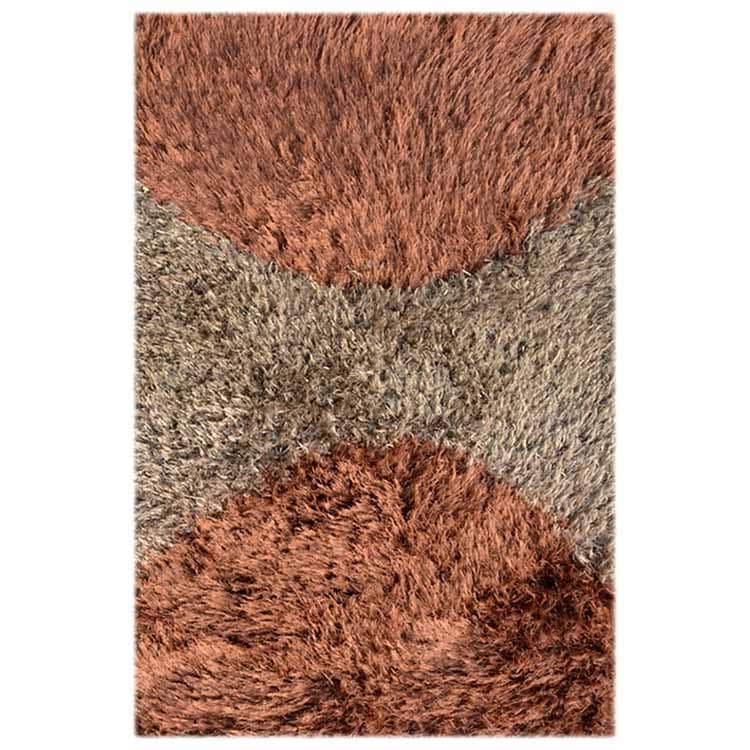
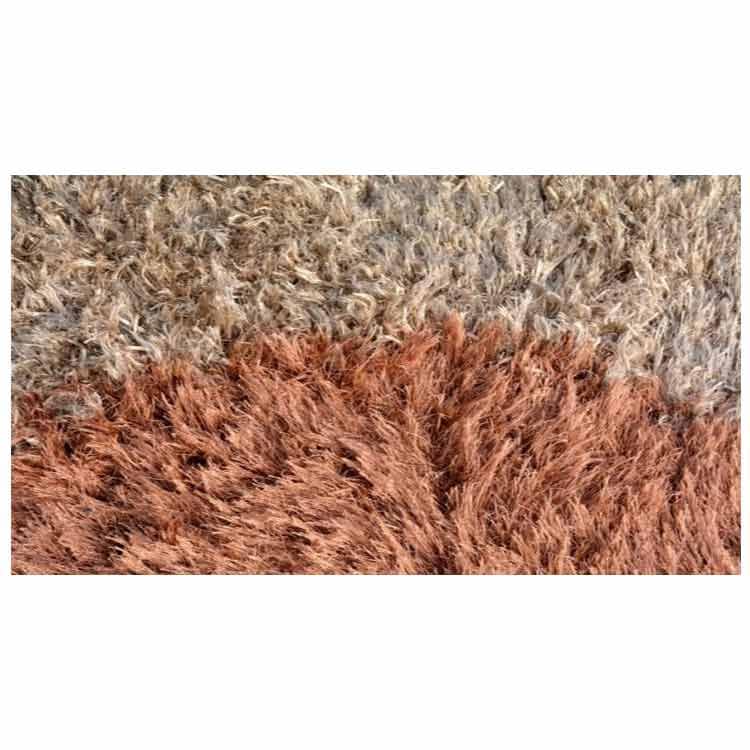
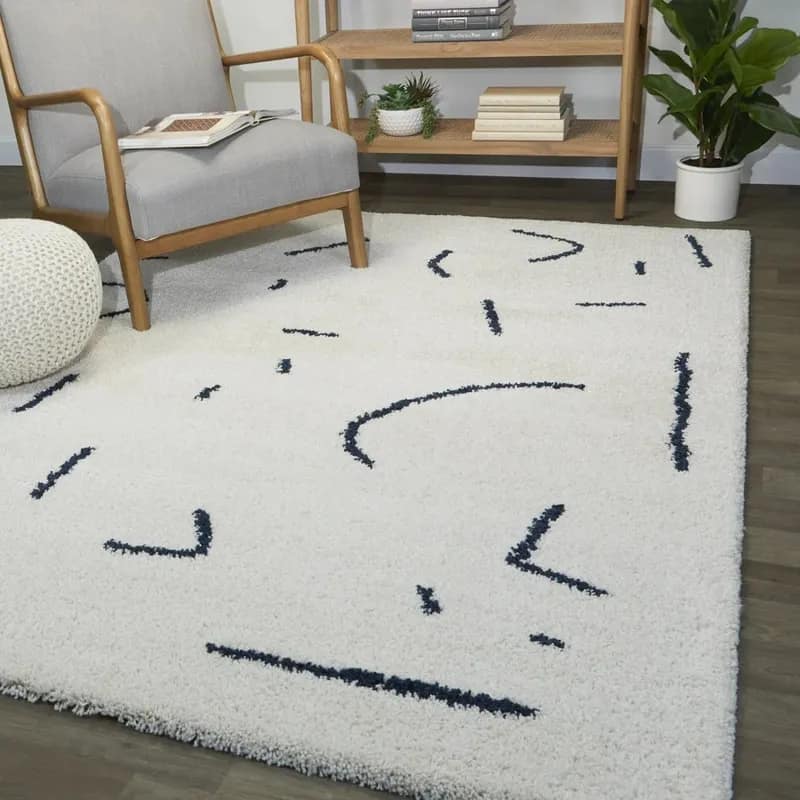
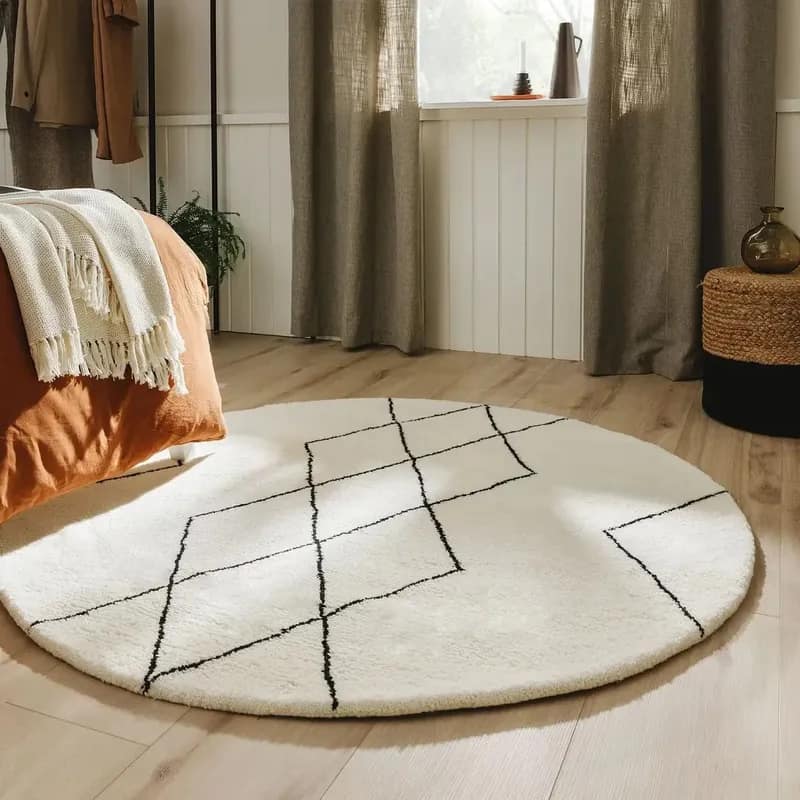
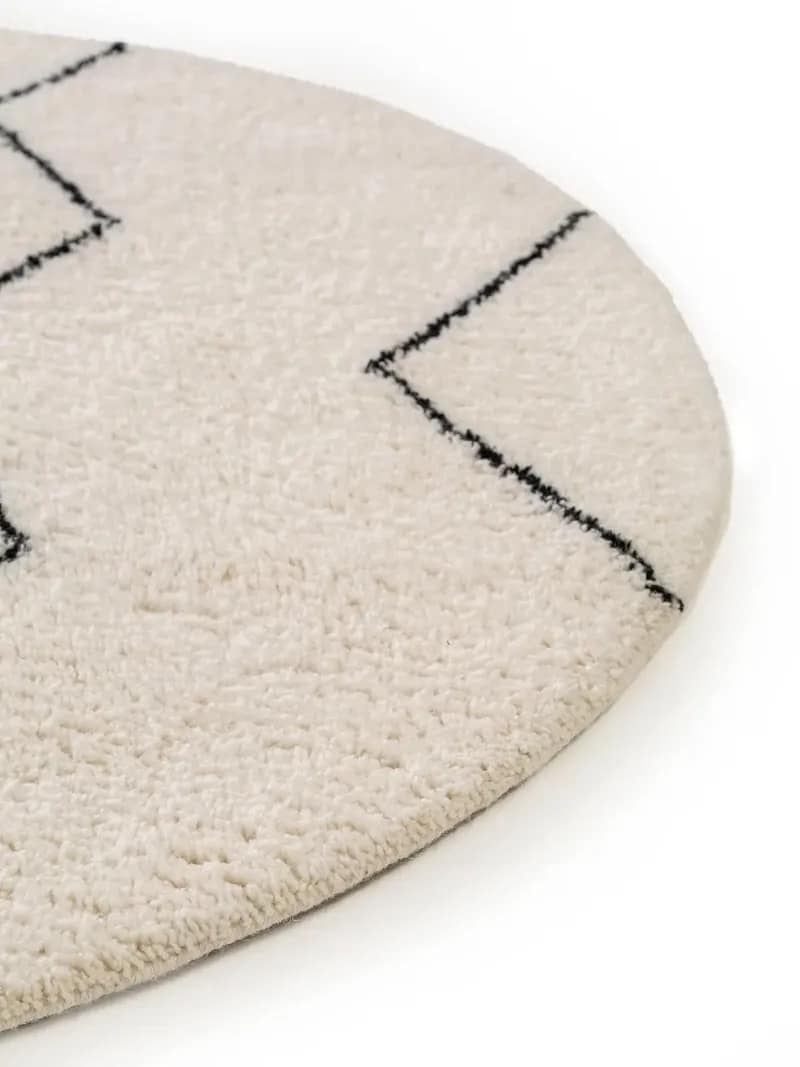


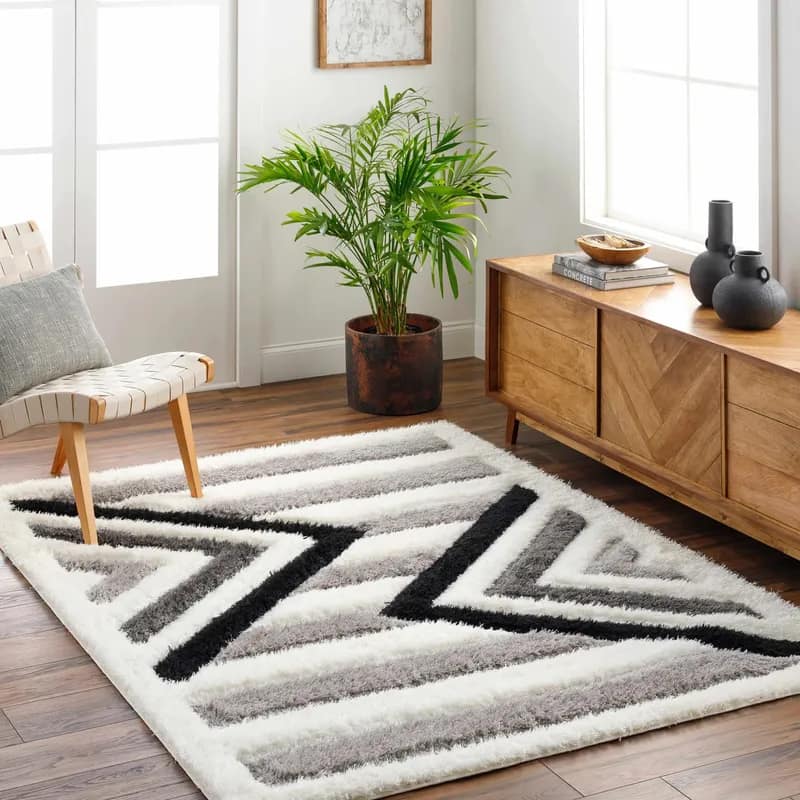
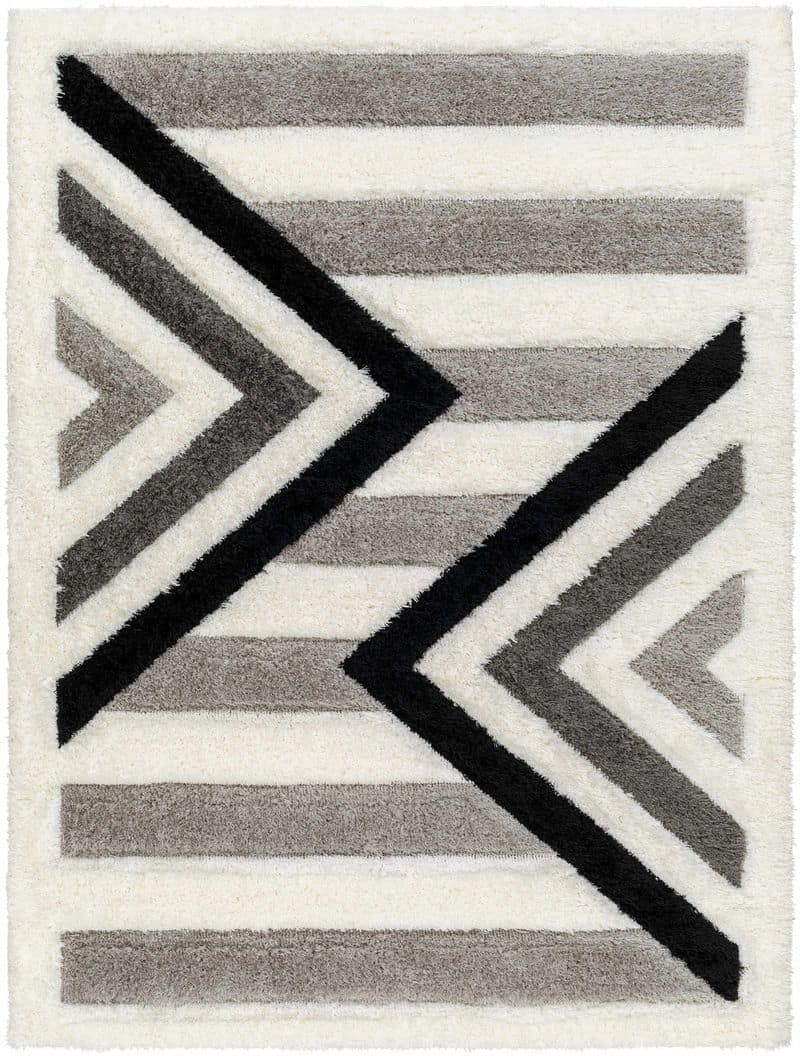
Silk rugs India has produced for centuries sit at the very pinnacle of handmade carpet craftsmanship. A silk rug is not simply a floor covering — it is a woven painting, a tactile artwork that changes character as light moves across it throughout the day. At Rug Store, we work with artisan weavers in Bhadohi, Uttar Pradesh — one of India's two great silk rug capitals alongside Kashmir — to bring the full hierarchy of silk rugs to Indian buyers at factory-direct prices.
Understanding silk rugs requires understanding the hierarchy. "Silk rug" covers products that range from accessible viscose pieces to investment-grade hand-knotted masterworks. Knowing where each tier sits and what it offers is the essential first step in buying well.
At the apex of the silk rug world sits the pure silk hand-knotted carpet. These are made from mulberry silk — sourced primarily from Varanasi and Kashmir — hand-knotted at densities of 200 KPSI (knots per square inch) and above. A 4x6 ft pure silk hand-knotted carpet at 300 KPSI contains over 1.5 million individually tied knots. Each knot is tied by hand around the warp threads, the excess yarn cut flush, and the surface carved and sheared to reveal the pattern in precise relief.
The result is a rug with a lustre so intense it appears to emit light. The pile direction creates a "shift" effect — the same rug looks entirely different when viewed from opposite ends, as the silk catches the light at different angles. Pure silk hand-knotted rugs are investment-grade pieces — priced to reflect the extraordinary skill and time involved in their production. Contact us for current pricing on specific sizes. They appreciate in value over time when properly maintained. These are heirloom objects, not functional floor coverings.
The most commercially popular tier — and the sweet spot for most Indian buyers who want genuine luxury without the pure silk price point. Silk-blend hand-tufted rugs typically combine a wool or cotton base with a silk highlight pile, or use a wool/silk mixed yarn throughout. The silk content provides a beautiful sheen; the wool or cotton provides durability and lower cost.
Our Bhadohi-made silk-blend hand-tufted rugs are available across a range of sizes from small accent pieces to large room-filling options. Find them in our hand-tufted rug collection at rugstore.in/collections/hand-tufted-rugs. They offer the visual luxury of silk at a fraction of the pure silk price. The pile is punched in by tufting gun rather than hand-knotted, which is why the cost is lower — but the surface appearance is genuinely beautiful. Find these in our hand-tufted rug collection at rugstore.in/collections/hand-tufted-rugs.
Viscose — often marketed as "art silk," "bamboo silk," or "faux silk" — is not silk at all, but a regenerated cellulose fibre derived from wood pulp or bamboo. It has a similar surface lustre to real silk and is substantially cheaper. Viscose rugs are the most accessible entry point into the "silk look" — browse current pricing on our product pages.
The trade-off is durability. Viscose is significantly weaker when wet — it crushes, mats, and is difficult to restore. It is not suitable for high-traffic areas or rooms prone to spills. In a formal bedroom or a rarely-used drawing room display piece, a viscose rug can look extraordinary for years. In a family living room, it will show wear within 12–18 months.
The burn test is the most reliable field method for distinguishing genuine silk from viscose at home. Pull a small number of pile fibres from an inconspicuous spot on the rug and hold a flame to them.
At Rug Store, we clearly label every rug with its fibre composition. We never label viscose as "silk." This transparency is part of our commitment to honest sourcing from our Bhadohi manufacturing base.
Pure silk rugs must never be wet-cleaned at home. Water weakens silk fibres, can cause pile crushing, and may cause dye migration. The only correct care method is professional dry cleaning by a specialist who has experience with silk pile rugs. In India, reputable dry cleaners in Delhi, Mumbai, and Bangalore can handle silk rugs correctly. Between professional cleans, vacuum very gently with a low-suction setting — always with the pile, never against it.
Silk rugs have a strong pile direction — the direction in which the fibres lie. Vacuuming or stroking against the pile direction will temporarily make the rug look dull and worn. Always vacuum with the pile direction, and when placing furniture, orient the rug so the pile direction runs away from the main viewing angle — this is when the sheen is at maximum.
Viscose rugs are even more sensitive to moisture than pure silk. Even minor spills left unattended can cause permanent pile crushing in viscose. Blot immediately with a dry cloth — never rub. For a badly water-damaged viscose rug, professional restoration is possible but expensive. Keep viscose rugs away from kitchens, bathrooms, and any room prone to high humidity during the Indian monsoon season.
Silk rugs — whether pure silk or viscose — are not all-room rugs. Their beauty is best preserved in specific conditions.
Bhadohi has been a significant centre of silk rug production alongside Kashmir for decades. Our direct manufacturing relationships mean no import premium — you pay the artisan price, not the boutique retail price.
Silk is a natural protein fibre produced by silkworms. Viscose (also called art silk or bamboo silk) is a synthetic fibre made from processed plant cellulose that mimics silk's sheen. Silk is significantly more durable, holds its pile shape longer, and is worth far more. Viscose is cheaper and looks similar to silk when new, but is much more vulnerable to moisture damage and pile crushing. The burn test is the most reliable way to tell them apart.
Yes, but always use a non-slip rug pad. Silk rugs are relatively light and can shift easily on smooth marble or polished tile floors, which is hazardous. A thin, breathable rug pad prevents movement, protects the rug backing, and adds a small amount of cushioning. Avoid foam rug pads on marble — they can trap moisture and mark the floor.
Bhadohi has a centuries-long tradition of silk carpet weaving alongside its wool and cotton production. The town exports silk rugs to European and Middle Eastern markets at premium price points. At Rug Store, we work directly with Bhadohi master weavers who produce silk and silk-blend rugs using the same techniques and quality standards as export pieces.
A pure silk hand-knotted rug, properly cared for and placed in a low-traffic room, can last generations — 50 to 100+ years is realistic. Silk-blend hand-tufted rugs typically last 15–25 years in appropriate use conditions. Viscose rugs in low-traffic formal rooms can last 8–15 years; in even moderate use, they show wear within 3–5 years.
Pure silk hand-knotted rugs at high KPSI counts (200+) from reputable origins genuinely appreciate in value. Well-maintained Kashmiri or Bhadohi silk carpets have sold at auction for multiples of their original purchase price after 20–30 years. This is not true of silk-blend tufted rugs or viscose — these have aesthetic value but not investment value.