Rugs at Factory PriceShop All Rugs.
Shop traditional hand knotted carpets online in India. Generations of artisan skill from Bhadohi. Durable, heirloom-quality rugs. free standard shipping included in displayed prices.
67 products
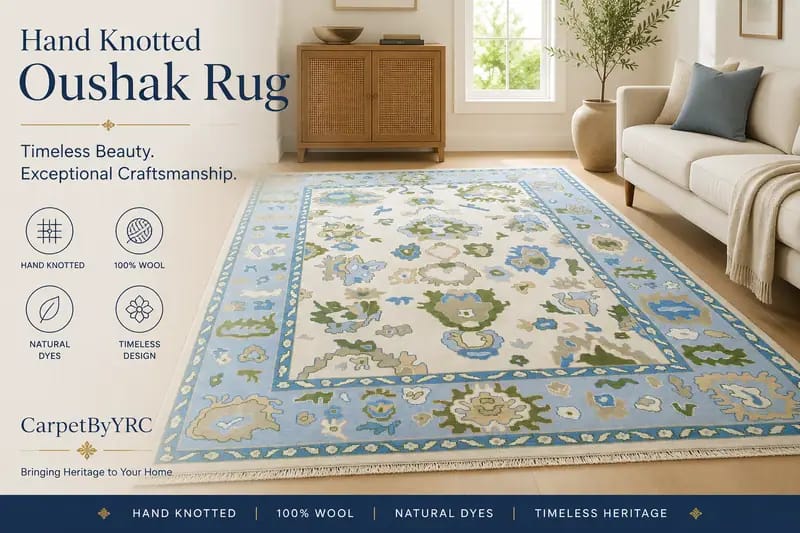
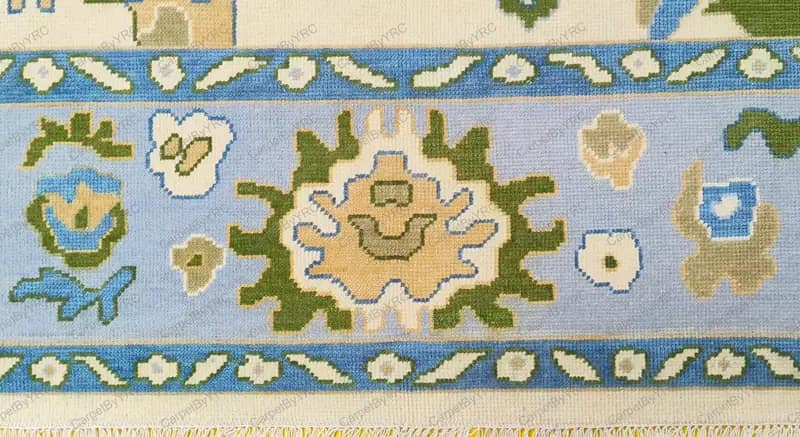
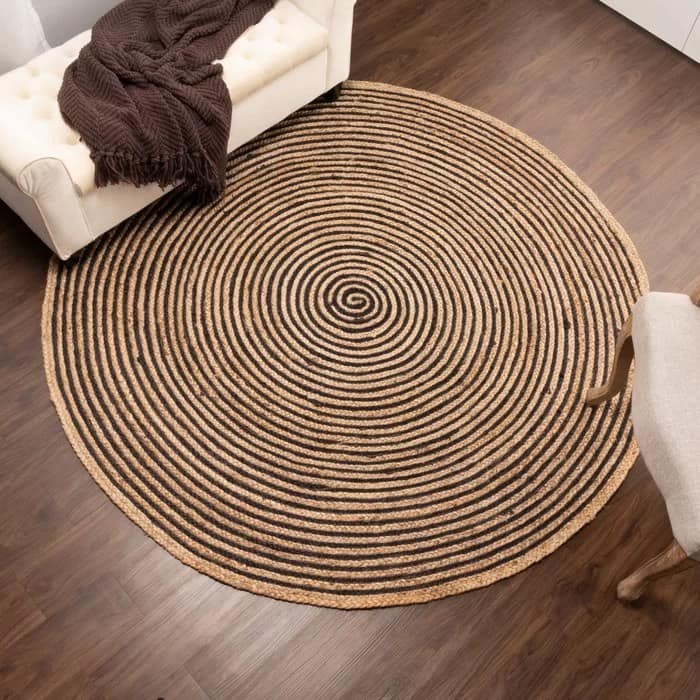
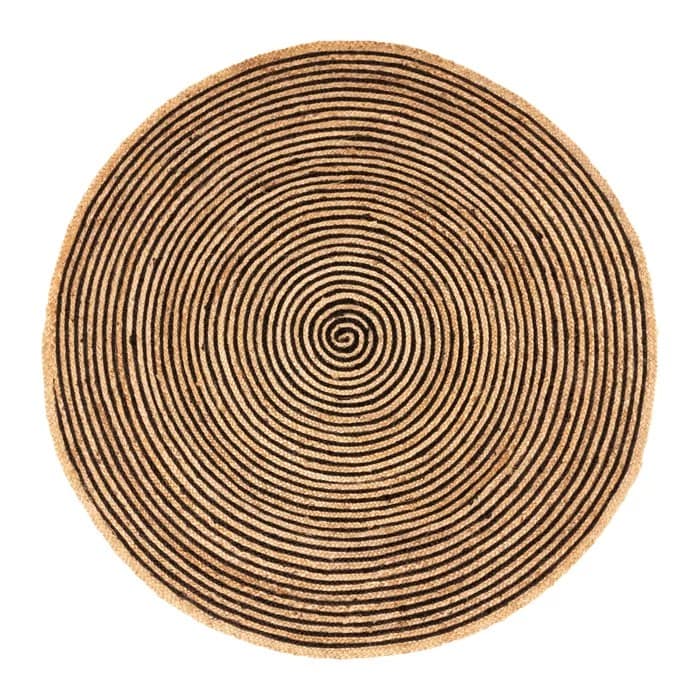
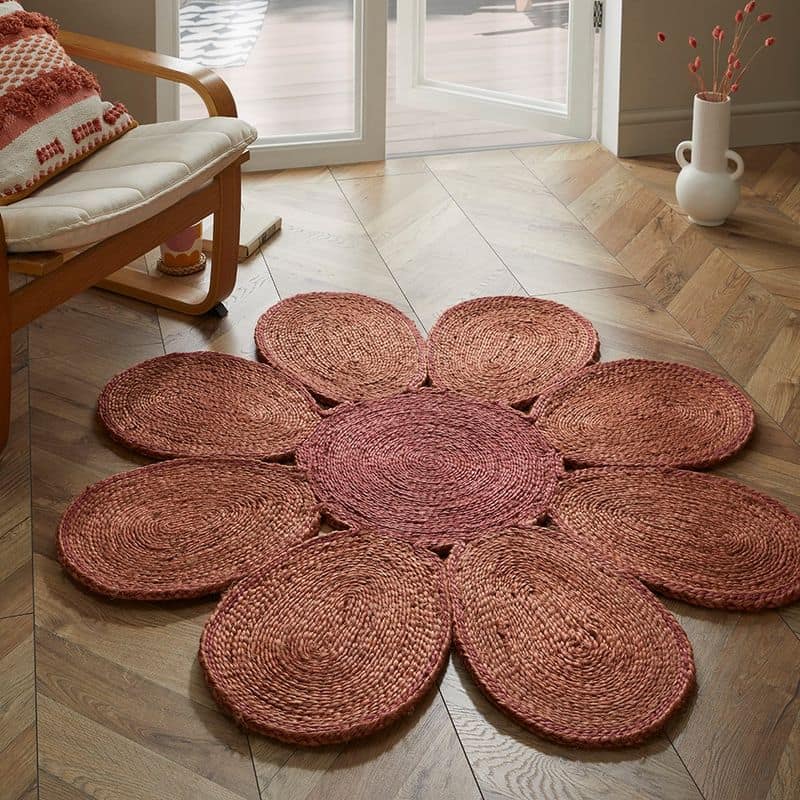
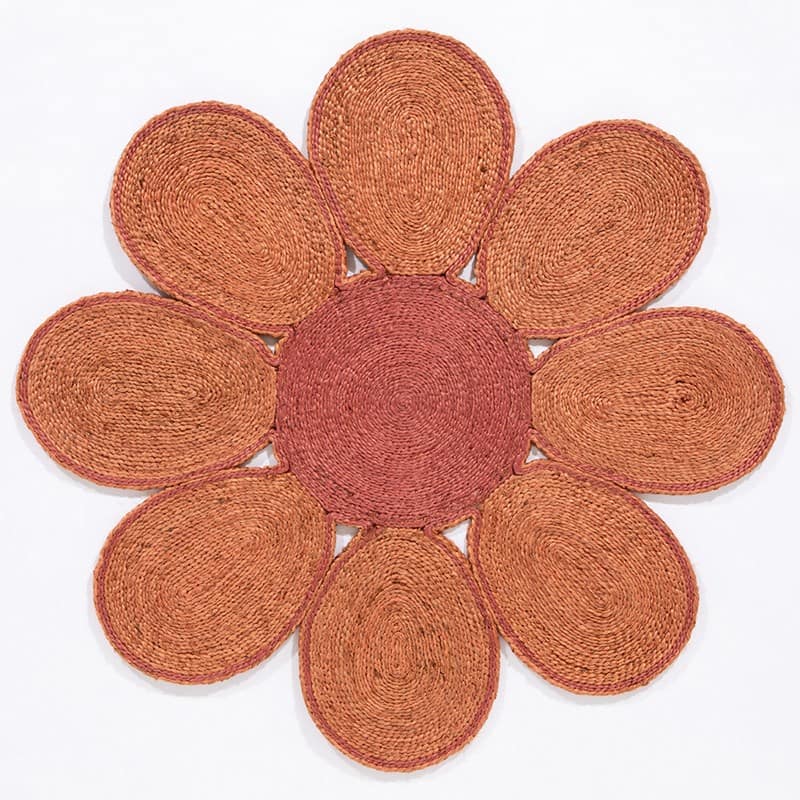
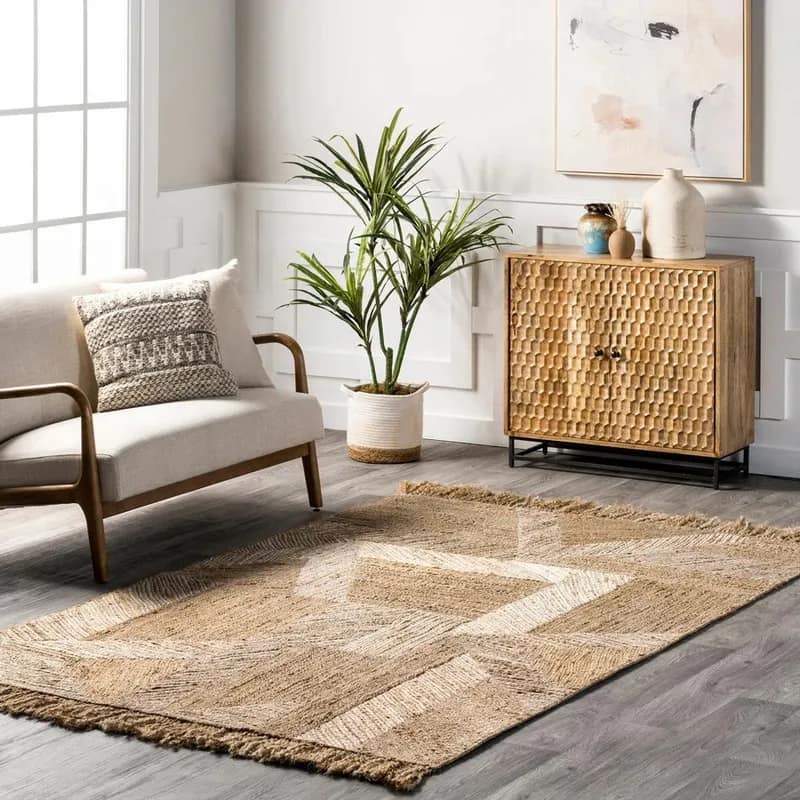
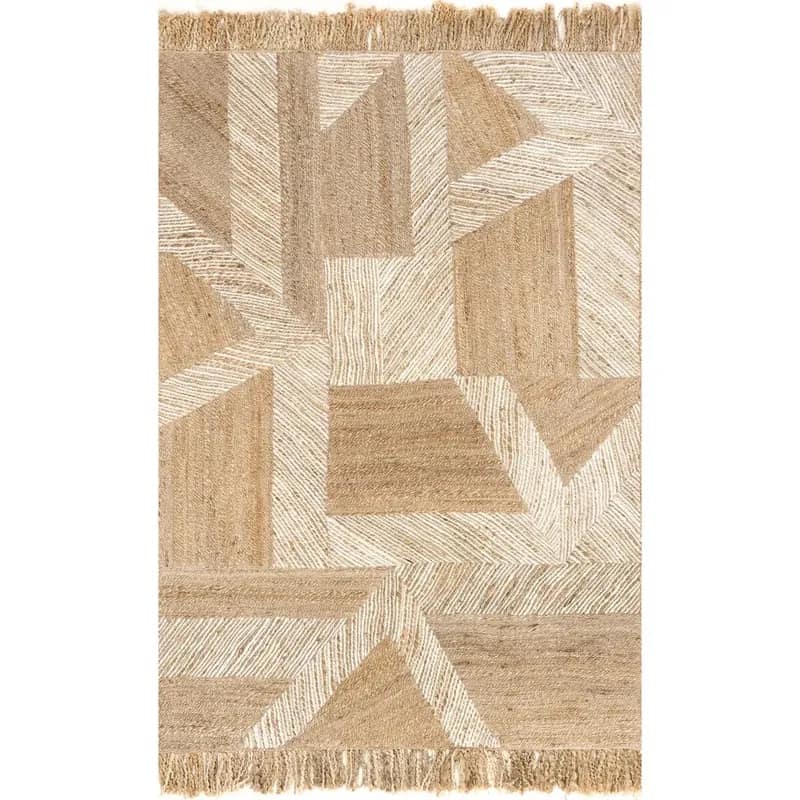
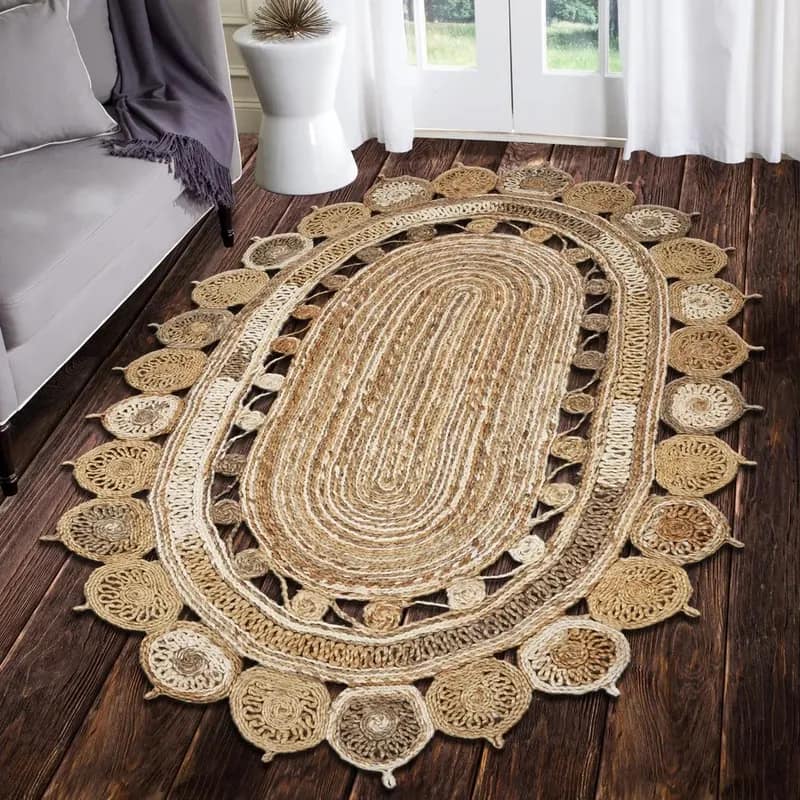
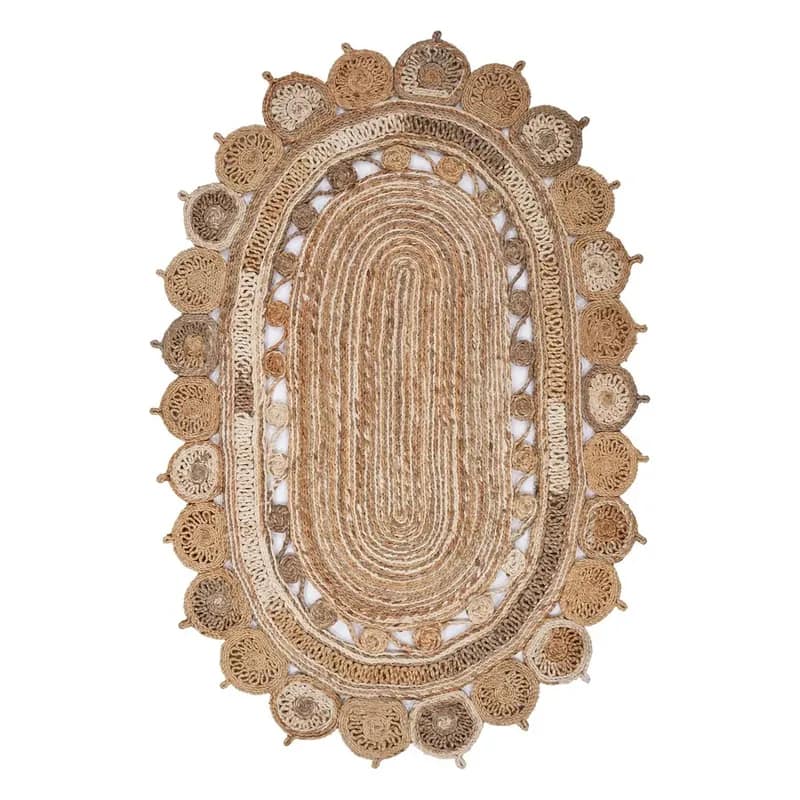
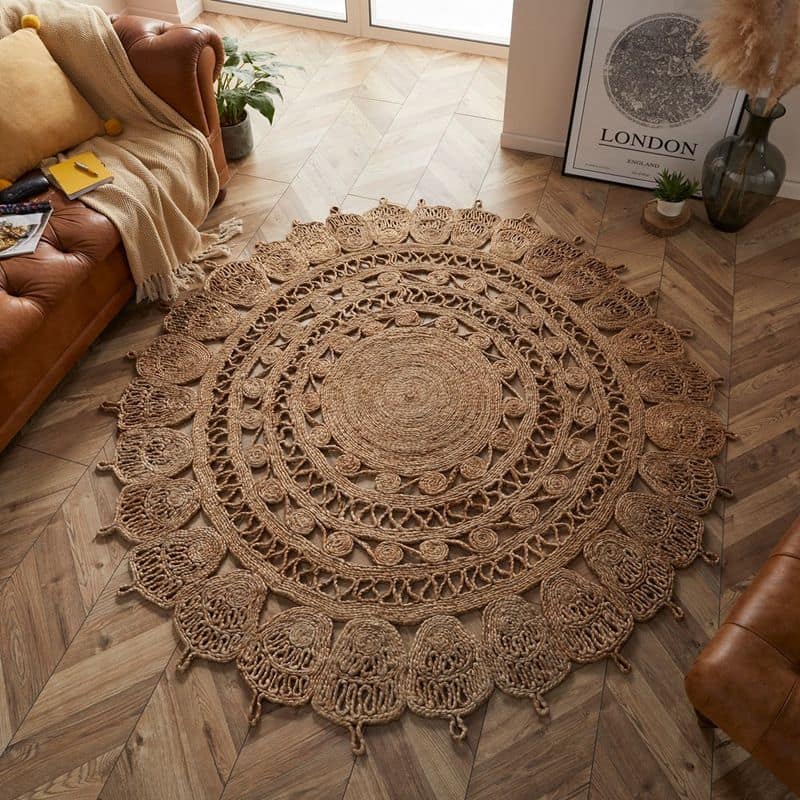
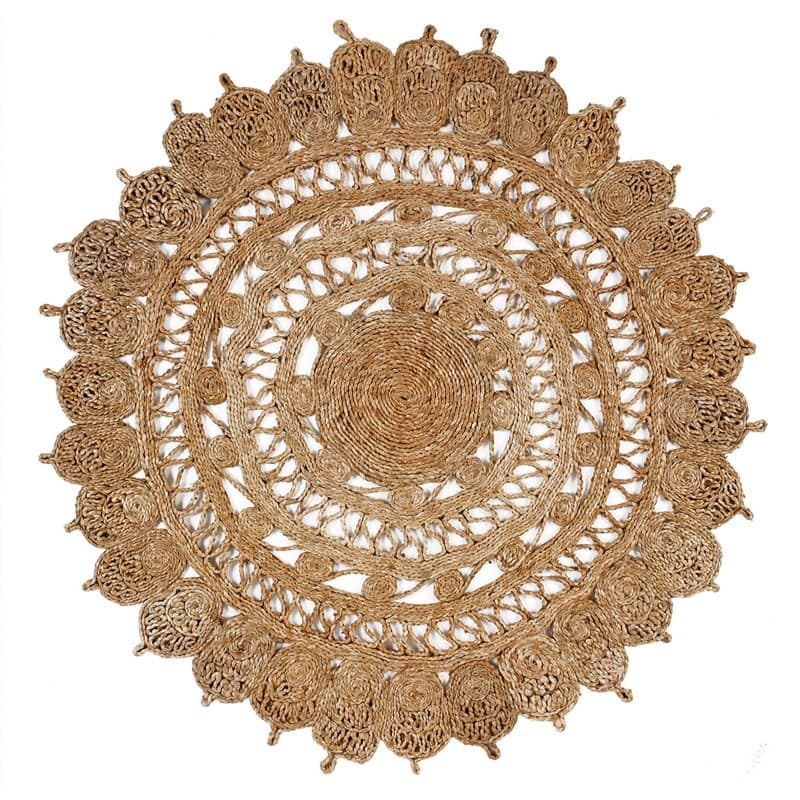

Hand knotted carpets India has produced since the Mughal era are the most technically demanding, most durable, and most enduringly valuable form of handmade rug in the world. When you buy a hand knotted carpet, you are not buying a floor covering — you are acquiring a woven document of human skill. At Rug Store, our hand knotted carpet collection brings together the finest production from Bhadohi, Uttar Pradesh — the largest hand-knotted carpet manufacturing centre in India — and connects Indian buyers directly to the artisans who make them.
Hand knotting is fundamentally different from every other method of rug construction. In a hand-tufted rug, a tufting gun punches pre-cut yarn loops into a backing fabric — quick, efficient, and mechanically assisted. In a machine-made rug, thousands of synthetic yarns are woven by computer-controlled looms at high speed. In a hand-knotted carpet, there is no machine and no shortcut.
A weaver sits at a vertical loom and individually ties each knot around two adjacent warp threads stretched vertically on the loom. The most common knot types are the Persian (Senneh) knot and the Turkish (Ghiordes) knot. After each row of knots is tied, the weaver passes a weft thread horizontally through the warp, then uses a heavy metal comb to beat the knots firmly downward. The excess yarn above each knot is then cut to a uniform height. This is repeated, knot by knot, row by row, until the carpet is complete.
A single experienced weaver can tie approximately 10,000 to 15,000 knots per day. A 6x9 ft carpet at 100 KPSI (knots per square inch) contains roughly 8.5 million knots. At 10,000 knots per day, one weaver would take 850 days — over two years — working alone. In practice, two or three weavers work side by side on a single loom, reducing this to several months. This is why hand knotted carpets cost what they do.
KPSI — knots per square inch — is the primary quality metric for hand knotted carpets. Higher KPSI means finer yarn, more intricate pattern resolution, greater density, and higher value.
A well-maintained hand knotted carpet in wool or silk does not wear out in the way a tufted rug does. Because each knot is structurally independent — tied around the warp rather than glued or backed — the carpet can be repaired, re-piled, and restored. Antique hand knotted carpets from the 18th and 19th centuries are still in daily use. No tufted rug manufactured in the last 50 years will be in use 100 years from now. A quality hand knotted carpet very likely will.
Turn a hand knotted carpet over and you will see the back pattern mirrors the front almost exactly. This is the most reliable authentication test. The back of a tufted rug shows a latex or fabric secondary backing because the pile is inserted from above and requires adhesive to hold — not structural knots. A hand knotted carpet's back is structurally identical to its face. This also means it can theoretically be used on either side.
When a hand knotted carpet is damaged — a stain that cannot be removed, a worn patch, moth damage — it can be re-knotted. A skilled restoration weaver can retie individual knots in the damaged area, matching the yarn colour and type so precisely that the repair is invisible. No other rug construction type offers this possibility. This is a primary reason hand knotted carpets are considered investments.
India has two great centres of hand knotted carpet production. Bhadohi in eastern Uttar Pradesh produces the largest volume — the town and its surrounding villages collectively account for a significant portion of India's carpet export earnings. Bhadohi specialises in wool carpets in Persian and contemporary designs, at KPSI ranges from 60 to 200. The quality is export standard; the same carpets reach European and American showrooms at four to five times the Indian ex-factory price.
Kashmir produces the finest silk carpets in India — hand-knotted at 200–600 KPSI using silk from local sericulture. Kashmiri carpets carry a Geographical Indication (GI) tag, providing legal authentication of origin. A genuine GI-tagged Kashmiri carpet comes with a silk tag sewn onto its back. This is the gold standard authentication for Indian silk carpets.
Understanding price is critical for buying hand knotted carpets honestly. Very cheap "hand knotted" rugs are either machine-made imitations, very low-KPSI tribal pieces, or are misrepresented. Genuine hand knotted carpets are priced to reflect months of skilled artisan labour — prices scale significantly with KPSI count and material. Contact us or visit our product pages for current pricing on specific configurations.
For the full hand knotted collection alongside silk options and traditional carpet designs, visit rugstore.in/collections/silk-rugs and rugstore.in/collections/traditional-carpet. For a comparison of hand knotted versus hand tufted construction, see rugstore.in/collections/hand-tufted-rugs.
Well-maintained hand knotted carpets consistently sell for more than their original purchase price after 15–20 years. Antique dealers in Delhi's Sunder Nagar and Mumbai's Chor Bazaar regularly price 40–50 year old Bhadohi and Kashmiri carpets at three to ten times their original retail cost. The conditions for value retention: high KPSI count (100+), natural fibre (wool or silk), traditional motifs, good original dyes, and proper care. If these conditions are met, a hand knotted carpet is genuinely an appreciating asset.
The fold test and back mirror test are the two most reliable field methods. Fold the carpet and examine the knot bases — they should be individually distinct tied loops. Then examine the back — it should show the pattern clearly, not a backing fabric. If in doubt, count the KPSI: genuine hand knotted carpets at the prices we charge for them will have a countable, consistent knot density.
A 6x9 ft carpet at 100 KPSI, with two weavers working together, typically takes 3 to 6 months. At higher KPSI counts (200+), the same size can take 8 to 14 months. This production time is one reason hand knotted carpets hold their value — there is no way to accelerate the process without reducing the knot count.
For a family living room that will see daily use, 80–120 KPSI in wool is the ideal sweet spot. It provides good pattern detail, excellent durability, and a price point accessible to most buyers. Higher KPSI is more appropriate for formal rooms or collector pieces. Lower KPSI (below 60) is better for rustic or tribal aesthetics where the bold, coarse pattern is intentional.
Bhadohi weavers were trained in the Persian knotting tradition — the techniques are the same. The difference lies in design vocabulary (Bhadohi has developed its own Indo-Persian fusion style) and in the specific regional characteristics of the wool and dyes used. For KPSI counts up to 150 in wool, Bhadohi production is internationally competitive and exports to Europe, the USA, and the Gulf at premium prices.
Yes — this is one of the most valuable qualities of hand knotted construction. A skilled restoration weaver can re-knot damaged areas, remove and replace stained sections, and restore moth-damaged pile. The repair requires matching the original yarn colour and type, which is easier if you retain a small cutting from the original yarn when you buy. For major restoration, specialist rug restorers in Delhi and Mumbai have the skills required.