Rugs at Factory PriceShop All Rugs.
Shop festive Diwali rugs and carpets online. Warm colours, auspicious motifs, handcrafted in Bhadohi. Delivered before the festival. free standard shipping included in displayed prices.
26 products
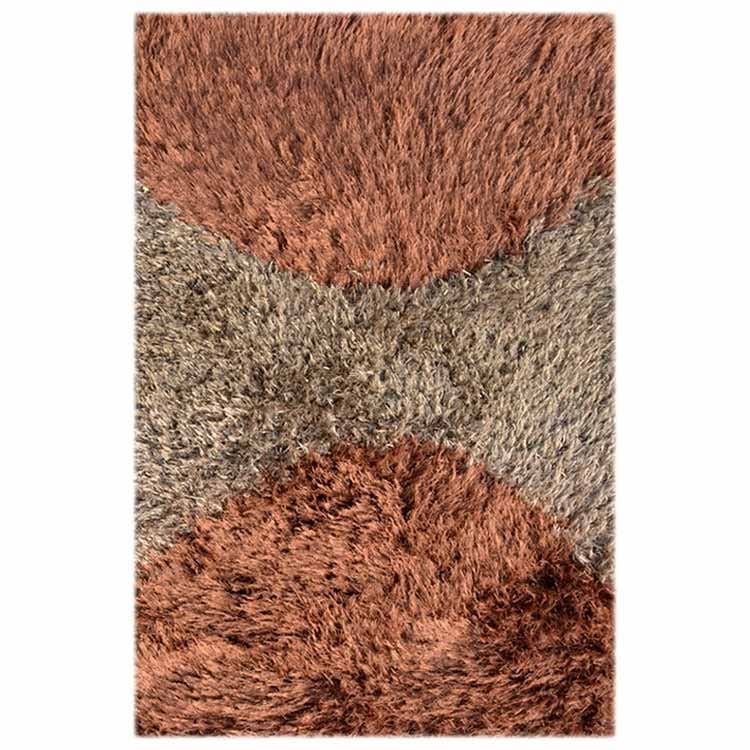
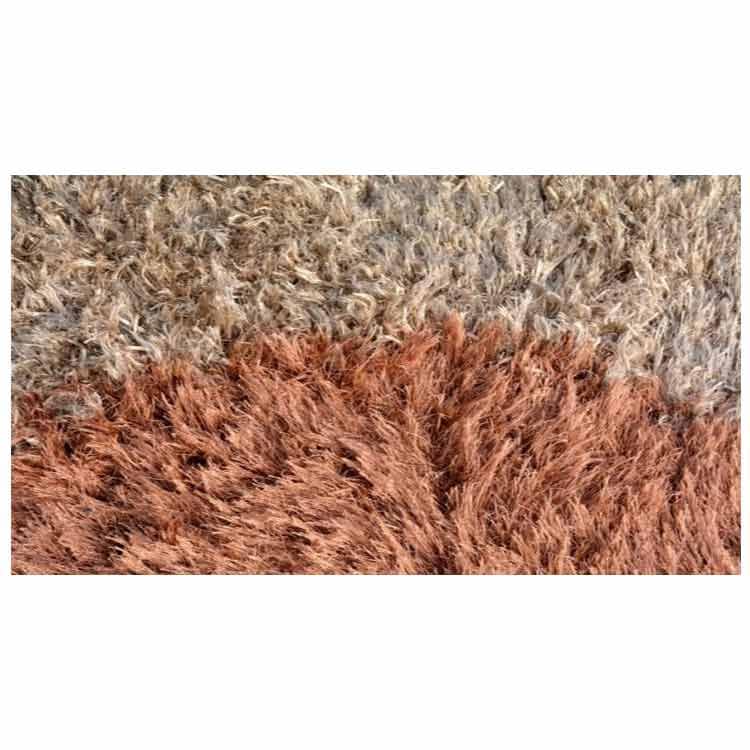
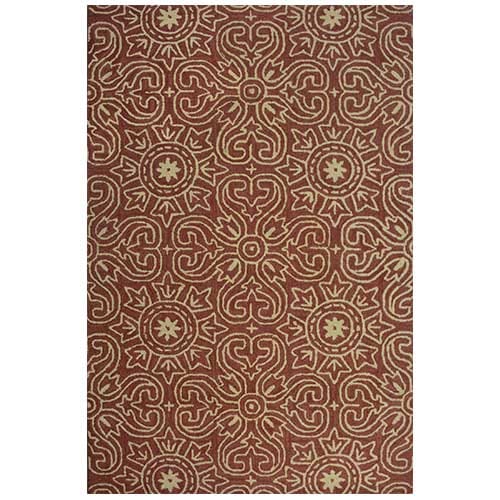
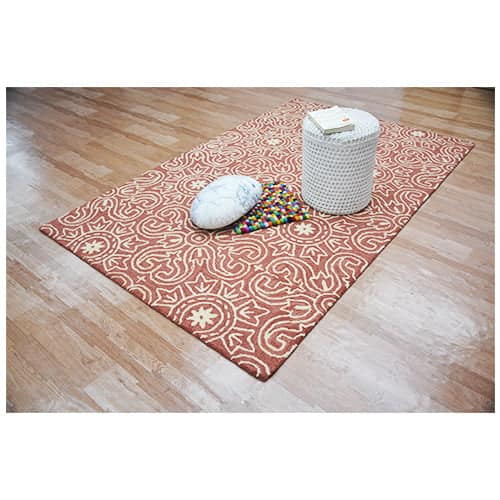
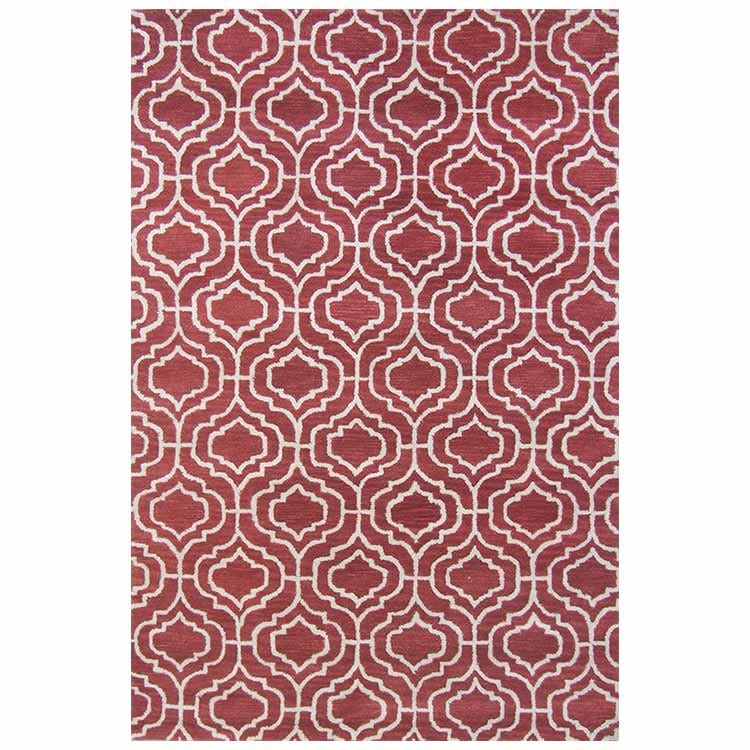
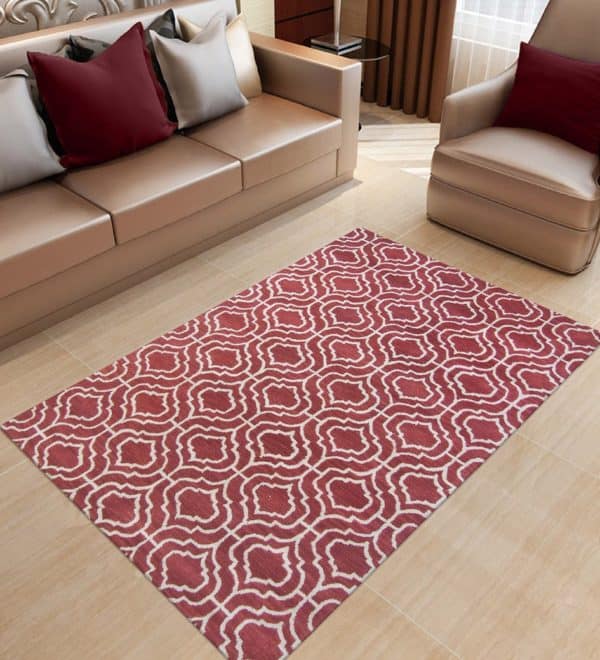
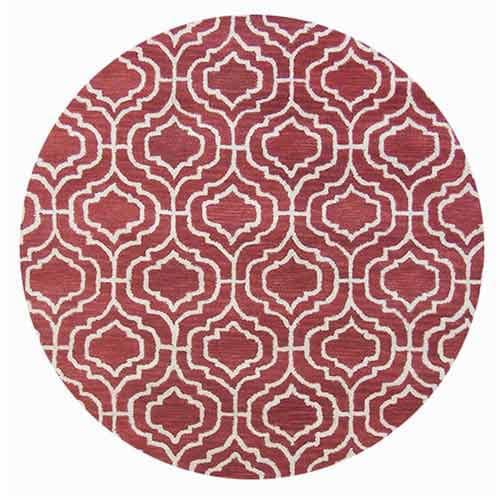
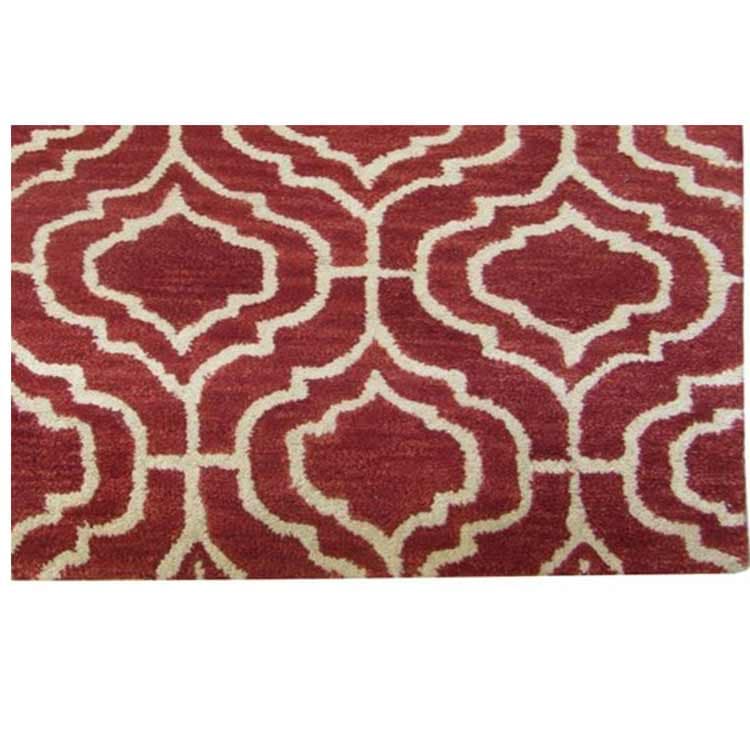
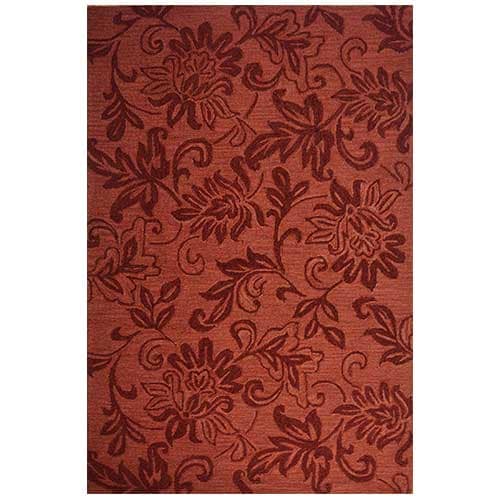
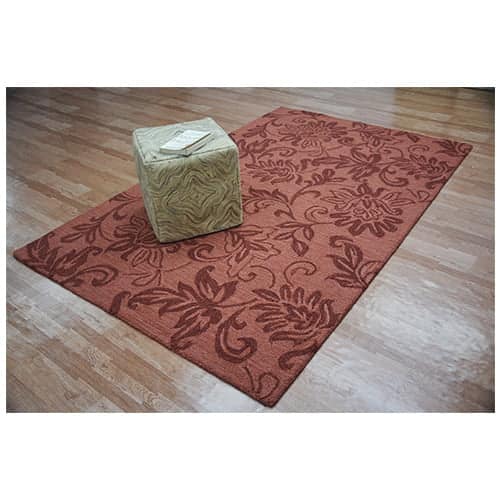
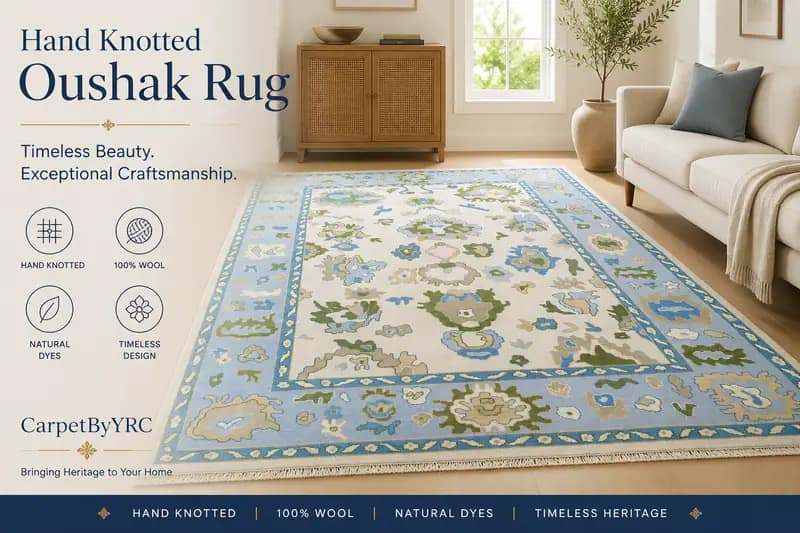
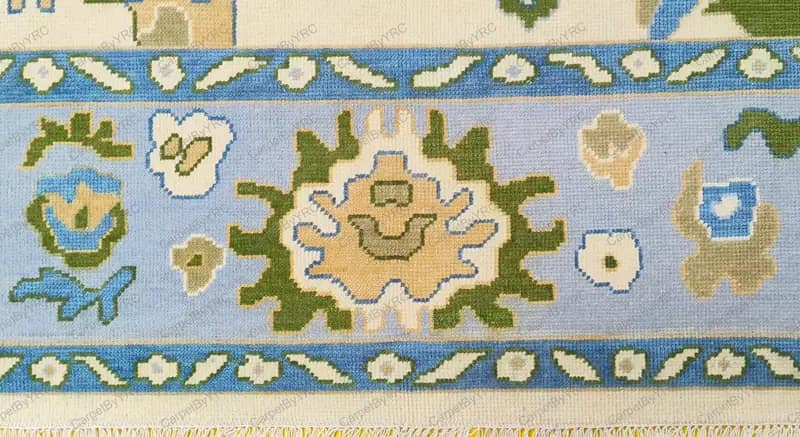
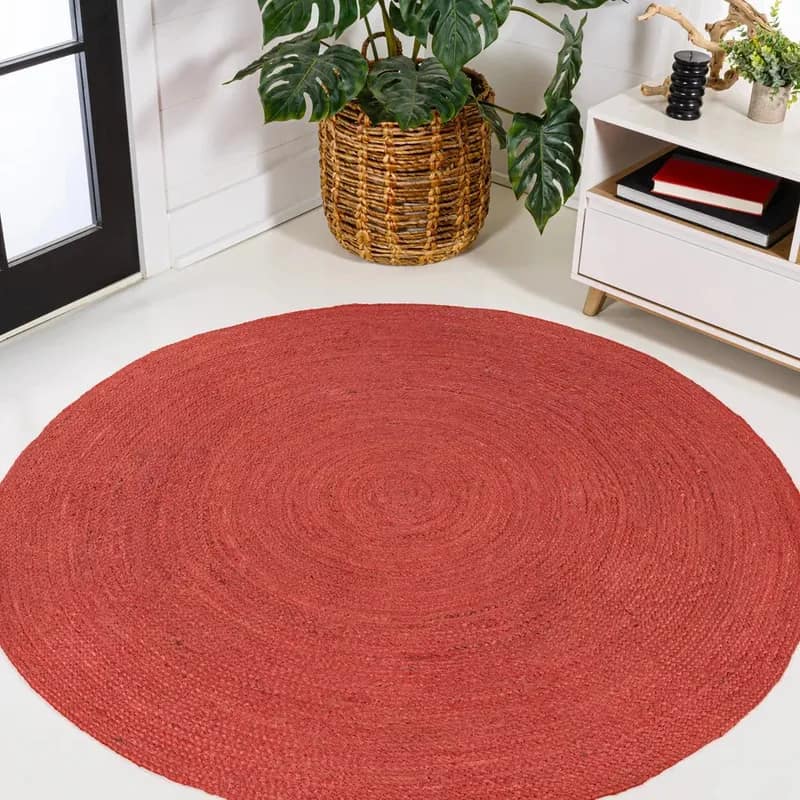
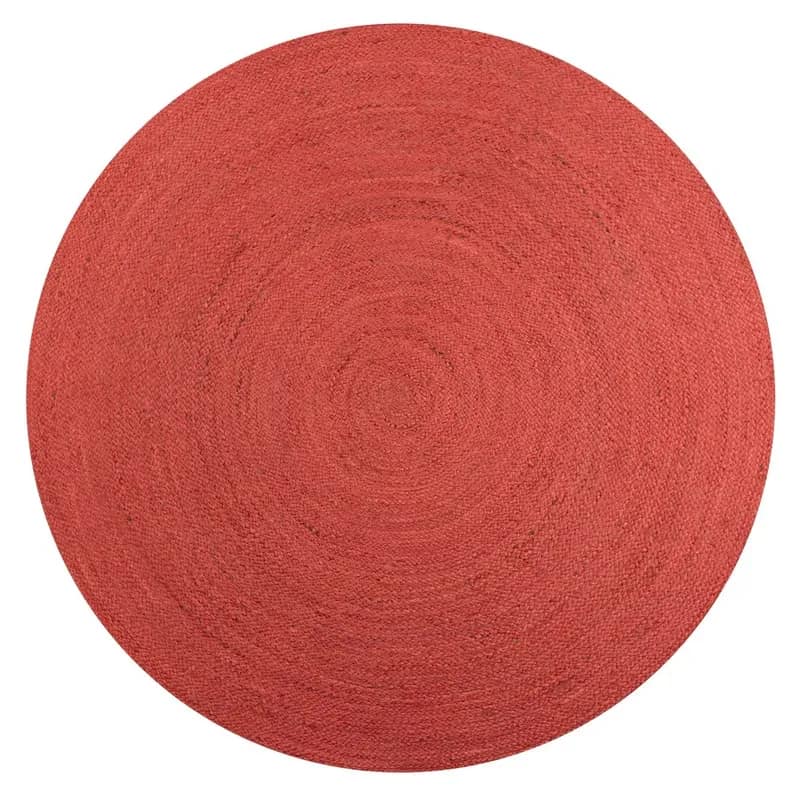
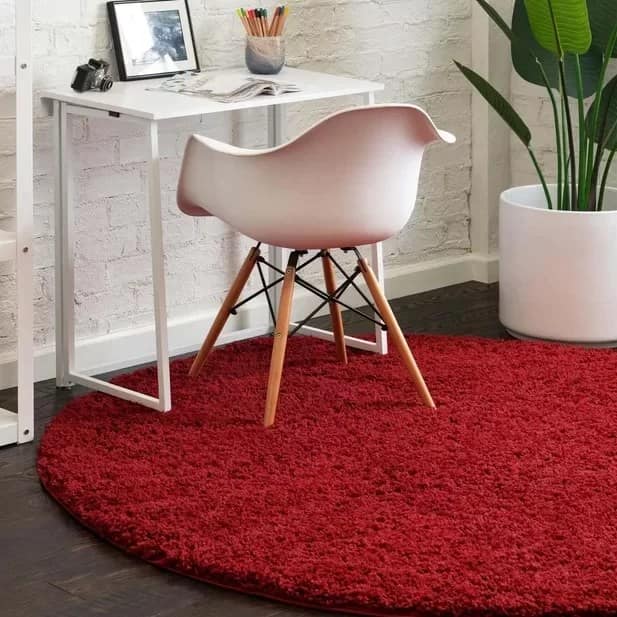
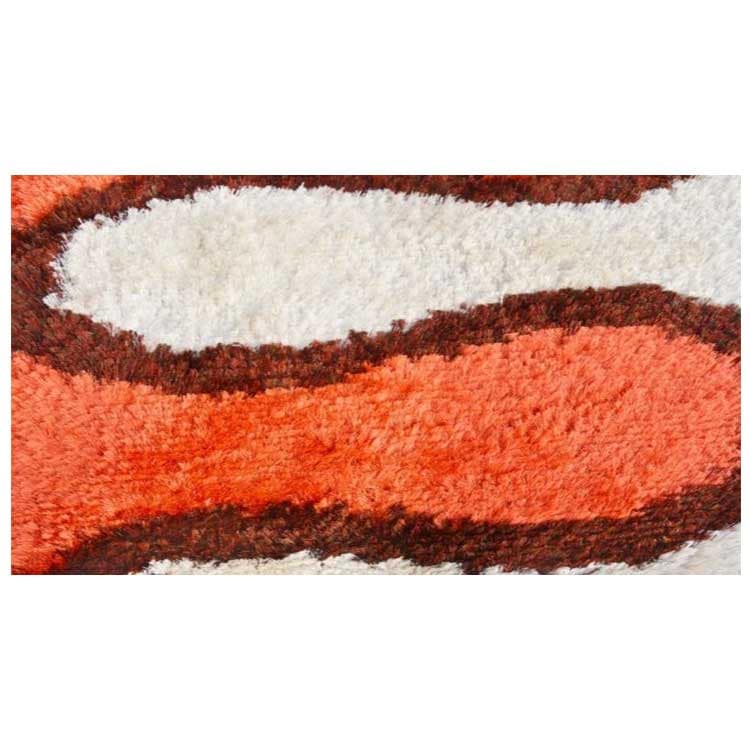
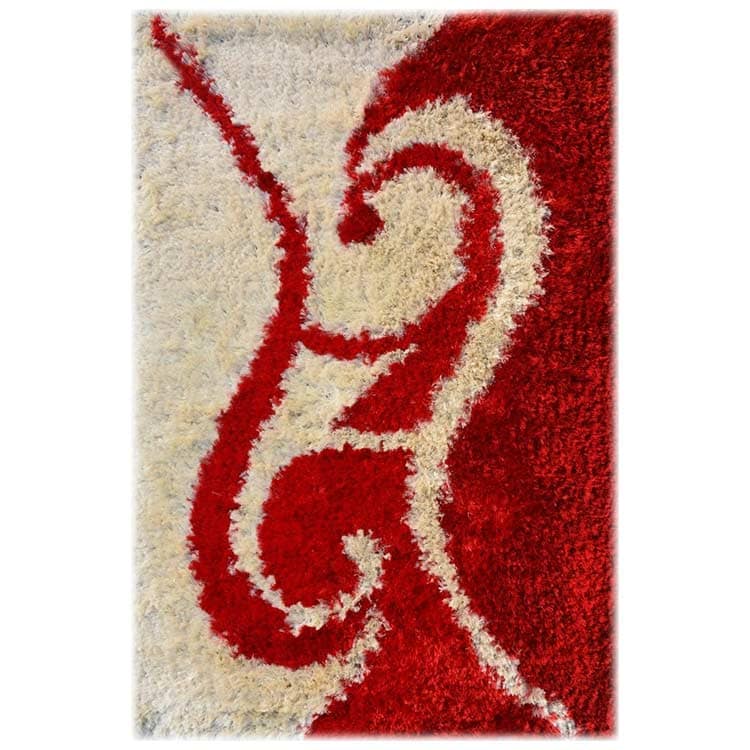
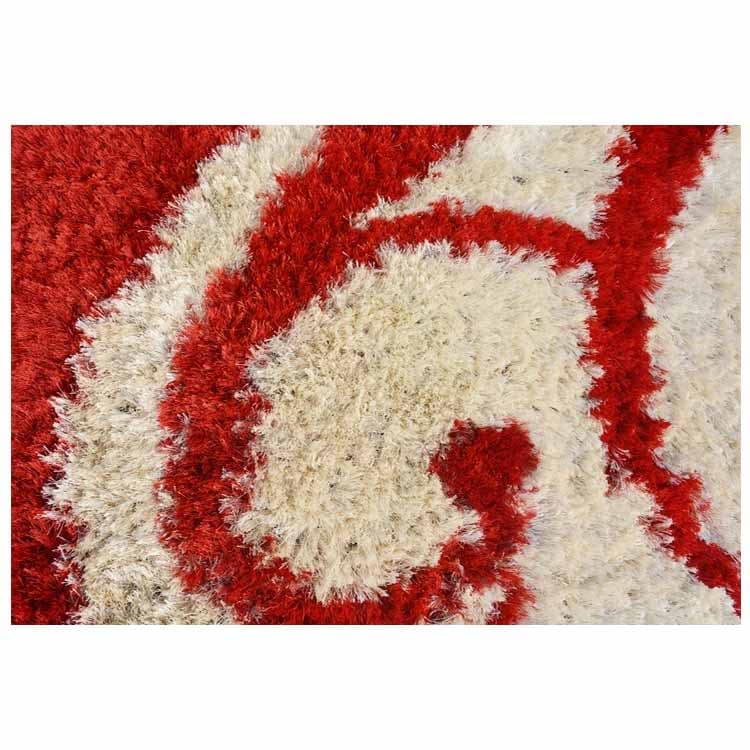
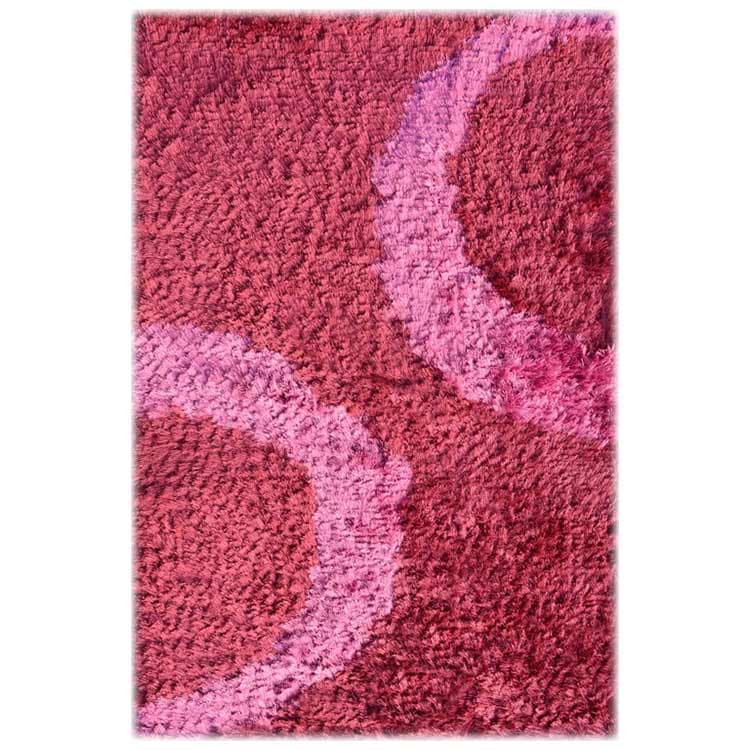
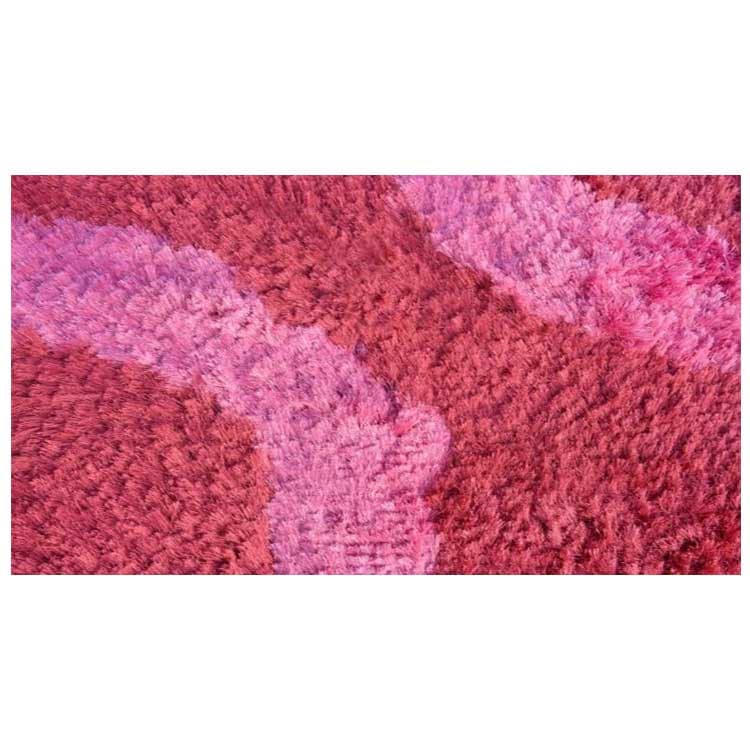
Diwali rugs India homeowners look for every October represent something deeper than seasonal decoration. In Indian culture, the weeks before Diwali are a traditional time to refresh and re-consecrate the home — to clean thoroughly, to replace what has worn or faded, and to welcome the festival of lights with a home that feels renewed. A new rug is one of the most visible and meaningful home purchases in this season, transforming the centrepiece of the drawing room or the entrance of the home for all the guests who will arrive during Diwali and Dhanteras.
At Rug Store, our artisan weavers in Bhadohi, Uttar Pradesh have been producing festive-quality carpets for generations — traditional motifs, auspicious colours, and intricate patterns designed specifically for the Indian festival context. Because we manufacture directly in Bhadohi with no import chain, our Diwali carpets are available at prices that reflect true craft value rather than boutique retail markups.
The tradition of buying new items for the home during Diwali — particularly on Dhanteras, the two days before Diwali — is one of the most deeply embedded consumer customs in India. Dhanteras is traditionally the day for buying precious metals, but in the contemporary urban Indian home, it has expanded to include all significant home investments: appliances, furniture, and especially rugs and carpets.
The cultural logic is beautiful: Lakshmi, the goddess of wealth and prosperity, is said to visit clean, bright, beautifully adorned homes during Diwali. A home with a beautiful new rug at its centre — particularly in traditional auspicious colours — signals readiness to receive her blessing. Whether or not this carries religious significance for a given family, the effect of a new rug on a home's Diwali atmosphere is universally transformative.
Three spaces matter most for Diwali rug placement: the drawing room centrepiece, the entrance, and the puja area.
The living room is where Diwali guests spend the most time. A new rug — particularly a traditional Persian medallion or floral arabesque in deep jewel tones — immediately elevates the room. It anchors the seating arrangement and gives the entire space a feeling of completeness. In a typical Indian 2BHK or 3BHK drawing room, a 6x9 ft or 8x10 ft rug makes the most visual impact. Browse traditional carpet options at rugstore.in/collections/traditional-carpet and living room sizes at rugstore.in/collections/living-room-carpet.
During Diwali, guests arrive and leave frequently over several days. The entrance rug is the first thing they see and the last impression they carry away. A deep maroon or gold runner, or a rich hand-tufted accent rug at the front door, signals warmth and welcome from the very first step. Keep the entrance rug relatively easy to clean given the diyas and rangoli powder that inevitably migrate indoors during the festival.
The puja room or home temple is at the spiritual centre of Diwali. A small, premium rug in saffron, gold, or ivory before the idol or altar creates a sacred frame for the festive prayers. Cotton or silk-blend flat-weaves in traditional patterns are ideal here — beautiful enough for the occasion, and manageable enough to clean after the festival.
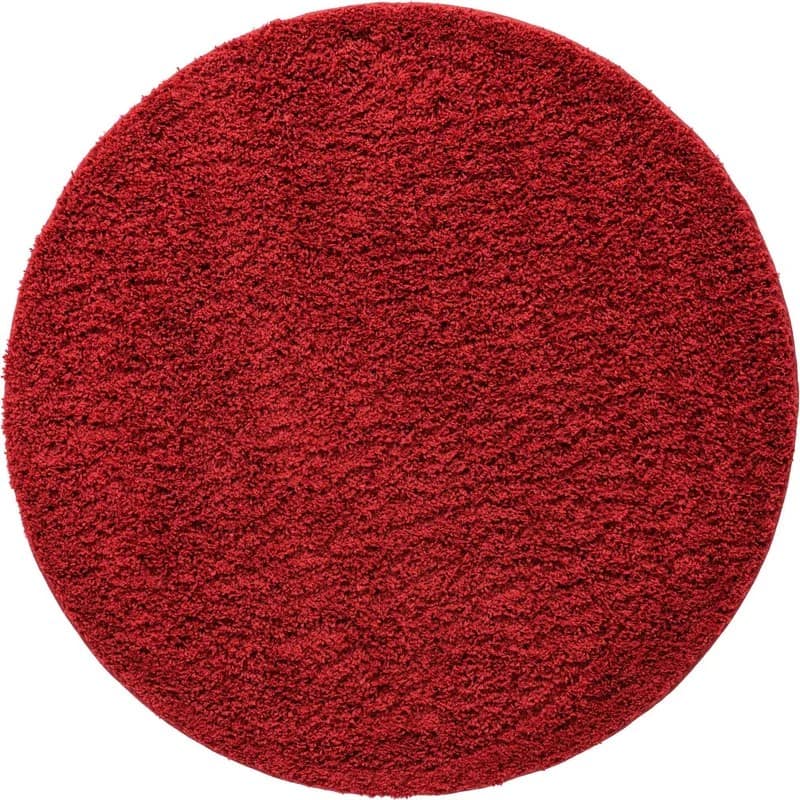
Maroon is the colour most consistently associated with auspiciousness in Indian culture — present in wedding sarees, temple awnings, and festive textiles for centuries. A deep maroon rug with gold-thread border detailing is the quintessential Diwali carpet. It pairs with brass diyas, marigold garlands, and carved wood furniture in a way that feels completely culturally coherent. See our red carpet rug collection at rugstore.in/collections/red-carpet-rug for maroon and deep crimson options.
Gold and amber tones carry the warmth of Diwali lights directly into the rug. A golden-amber carpet in the drawing room catches and amplifies the glow of string lights and diyas in a way that no cool-toned rug can. These tones work particularly well in rooms with warm wood furniture and brass or copper accents.
An ivory or cream rug with a gold-thread or ochre border is the most elegant Diwali option. It suits formal drawing rooms where the white or off-white ground provides maximum contrast for the decorative elements brought into the room during Diwali — flowers, rangoli, brass items. This is the choice for families who prefer understated luxury to bold colour.
Saffron and orange are the colours of Diwali diyas and marigold flowers. A saffron or deep orange rug brings pure festive energy into a room. These work best as accent rugs in smaller rooms, or as puja area pieces, rather than as large living room centrepieces — the intensity of these tones is better as a highlight than as a ground.
Vastu Shastra recommends specific placements for maximising positive energy during Diwali. For the main living room rug, the south or east zone of the room is considered most auspicious. The central zone of the home (Brahmasthan) is also excellent — a rug placed exactly at the centre ensures energy flows positively in all directions from the home's core. Avoid placing the main Diwali rug in the north direction if you want to maximise Lakshmi's welcome — north is reserved for Kubera, the god of wealth, and a plain floor space is sometimes recommended there.
The single most important practical tip for Diwali rug buying: order at least 3 to 4 weeks before Diwali. Demand for traditional and festive carpets peaks sharply in the 2 weeks before the festival, and shipping and delivery windows compress as a result. Ordering early also gives the rug time to settle and off-gas the new smell before guests arrive — a new hand-tufted rug typically needs 24 to 48 hours of flat laying before it fully relaxes and loses the factory smell.
Every rug in our Diwali collection is made in Bhadohi — the traditional motifs, auspicious colour palettes, and precise weaving quality are the product of generations of artisan knowledge developed specifically for the Indian festive market.
Deep maroon, gold, and saffron are the most Vastu-positive colours for a Diwali rug. These colours are associated with Lakshmi, prosperity, and auspicious energy. Red and maroon are particularly recommended for the south or east zone of the living room. Avoid blue and grey tones in the main Diwali carpet — these are considered less auspicious for festive occasions.
Order 3 to 4 weeks before Diwali. This provides adequate time for delivery, allows the rug 24–48 hours to settle and off-gas, and avoids the logistics pressure of the peak pre-Diwali shipping period. If you need a custom size or specific design, order 5 to 6 weeks in advance.
For a standard Indian 3BHK drawing room (typically 12x14 ft to 14x16 ft), an 8x10 ft rug under the seating arrangement is ideal. For a more compact 2BHK drawing room (10x12 ft), a 6x9 ft rug works well. The rug should extend at least 30 cm beyond the sofa on each visible side.
Absolutely. Persian medallion and floral arabesque patterns are among the most popular Diwali rug designs in Indian homes because their ornate, intricate quality visually aligns with the richness of the festival. Persian pattern carpets from Bhadohi have been staples of North Indian homes for generations.
A high-quality festive rug is an excellent Diwali gift — particularly for housewarming ceremonies that coincide with Diwali, which is common in India. A premium hand-tufted or hand-knotted rug in a traditional design and auspicious colour is one of the most culturally resonant, practically useful, and visually impressive home gifts available. We offer gift packaging for all orders.